If you’re visiting Seoul for the first time, the subway will probably become one of your best travel tools.
Seoul is a huge city, and many of the places you want to visit are spread across different neighborhoods. The good news is that the Seoul subway is relatively easy to use once you understand a few basics.
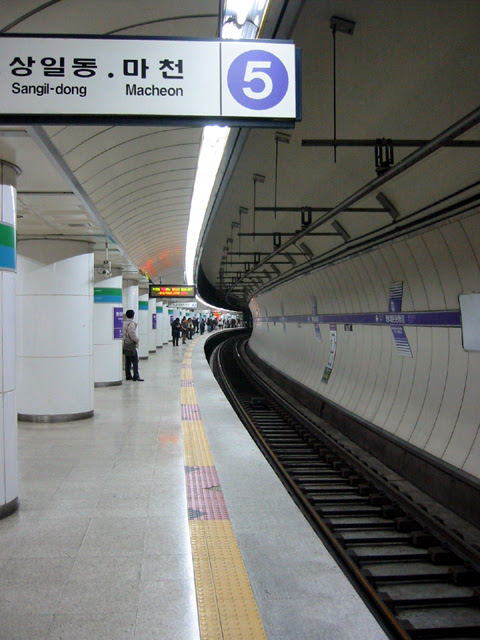
You don’t need to speak Korean to use it. Station signs are available in Korean and English, subway lines are color-coded, and route-planning apps make it much easier to find your way around.
This guide explains how to use the Seoul subway step by step, including fares, T-money cards, transfers, subway signs, and the mistakes first-time visitors should avoid.
Is the Seoul Subway Easy to Use?
Yes — especially once you understand how the system is organized.
Seoul’s subway has an extensive network connecting major tourist areas, shopping districts, neighborhoods, and attractions throughout the city.
Stations use numbered exits, and signs are displayed in Korean and English. Different subway lines are also identified by colors, making it easier to recognize your route.
For a first-time visitor, the most confusing part is usually not actually riding the train. It’s understanding which line to take, where to transfer, and which station exit to use.
Once you get used to those three things, traveling around Seoul becomes much easier.
Seoul Subway Basics at a Glance
| What you need to know | Quick answer |
|---|---|
| Subway fare | From ₩1,550 with a transportation card |
| Single-use ticket | From ₩1,650 |
| Payment | T-money or other accepted transportation cards, or a single-use ticket |
| Signs | Korean and English |
| Lines | Color-coded and numbered |
| Transfers | Usually made inside the subway system |
| Best for tourists | T-money + a subway/navigation app |
| Operating hours | Approximately 5:30 AM to midnight, depending on the station |
The current Seoul Metropolitan Government fare table lists the adult base fare at ₩1,550 with a card and ₩1,650 for a single-use ticket, effective June 28, 2025. Additional charges can apply depending on distance and certain routes.
Step 1: Get a Transportation Card
For most travelers, using a transportation card is easier than buying a ticket for every subway ride.
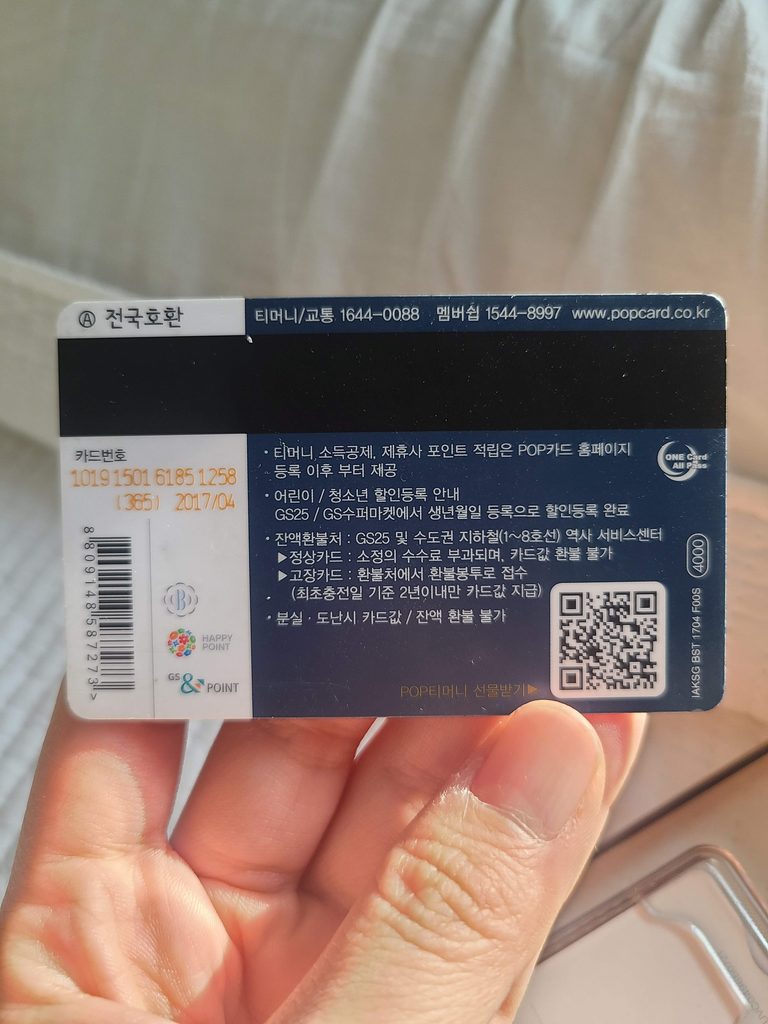
One common option is T-money, a rechargeable transportation card that can be used on Seoul’s public transportation system.
You can generally purchase and recharge a T-money card at convenience stores and subway-related locations.
Why Use T-money?
A transportation card is convenient because you simply tap it when entering and exiting the subway.
It can also be used for buses, and transportation-card users can receive transfer benefits when transferring between buses and subways under the applicable rules.
For a short Seoul trip, you don’t need to overthink it.
Get a transportation card, add some money, and use it throughout your trip.
Step 2: Plan Your Route Before Entering the Station
Before going into the subway, check your route.
This is one of the easiest ways to avoid confusion.
A route-planning app can show you:
- Which subway line to take
- Where to transfer
- How many stops you need to travel
- Which station to get off at
- Estimated travel time
- Which exit is closest to your destination
The Seoul Metropolitan Government also provides a Seoul Subway app designed to help international visitors with routes, directions inside stations, and nearby attractions.
My Tip: Check the Exit Before You Leave
This is especially important in Seoul.
A station may have many exits, and choosing the wrong one can add a surprisingly long walk to your journey.
If your destination is a hotel, restaurant, shopping area, or tourist attraction, check the recommended exit number before leaving the station.
Step 3: Find the Correct Subway Line
Seoul subway lines are identified by both numbers and colors.
For example, Line 2 is represented by a green color, while Line 3 is orange.
When you enter a station, look for signs showing:
- Your line number
- Your destination
- Transfer lines
- Exit numbers
You don’t necessarily need to memorize the subway map.
Instead, focus on your current station → your destination → your transfer station.
This makes the system much less intimidating.
Step 4: Tap Your Transportation Card at the Gate
Once you reach the subway gate, you’ll see a card reader.
Simply place your transportation card on the reader.
Wait for the gate to open and walk through.
When you arrive at your destination, you must tap your card again when exiting.
Don’t Forget to Tap Out
This is especially important when using a transportation card.
Your fare is calculated based on your journey, and transportation-card transfer benefits depend on correctly tapping your card.
If you are transferring between transportation modes, follow the instructions and tap your card when required.
Step 5: Follow the Signs to Your Platform
After passing through the gate, follow the signs for your subway line.
You’ll usually see signs showing:
Line number → Direction → Destination
The most important word to understand is the direction.
For example, you may see the name of a major station at the end of the line. This tells you which direction the train is traveling.
If you’re unsure, check your route on your phone before boarding.
A Simple Rule
Don’t just look for the line number.
Look for:
Line + Direction + Destination
This will help you avoid getting on a train going in the opposite direction.
Step 6: Get Off at the Correct Station
When your train approaches your destination, check the station name.
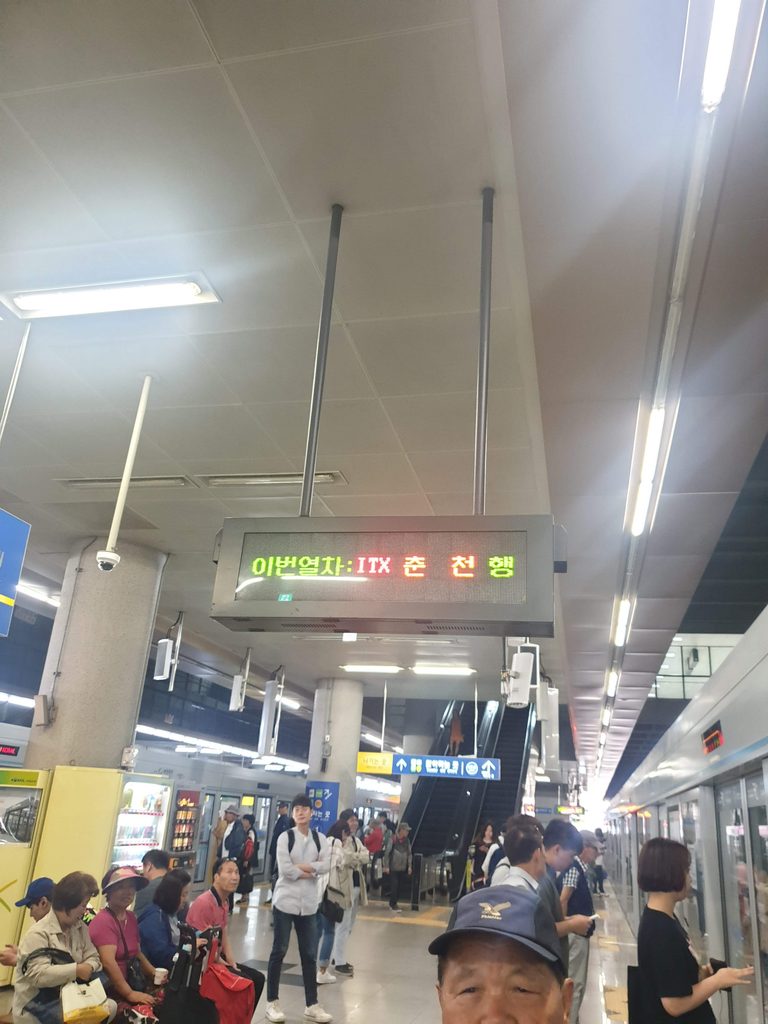
Station names are displayed in Korean and English, making it easier for international travelers to recognize their stop.
If you’re worried about missing your station, keep your route app open and check the upcoming stops.
Once you get off the train, follow the signs for your exit or transfer.
How Do Subway Transfers Work in Seoul?
Transfers are one of the things that can look complicated at first.
But they are usually straightforward.
When you need to change lines, follow the signs marked with the number and color of your next line.
In many cases, you do not need to leave the subway station to transfer.
You simply walk through the station following the transfer signs.
For example:
Line 2 → Transfer → Line 4 → Destination
You may have to walk quite a distance between platforms at some large stations.
Don’t be surprised if a transfer takes several minutes.
Give Yourself Extra Time
Seoul subway stations can be much larger than they look on a map.
Some transfers involve long underground corridors, stairs, escalators, or multiple levels.
If you’re catching a train or meeting someone at a specific time, don’t assume that a “5-minute transfer” means you’ll be standing next to the next platform immediately.
How Much Does the Seoul Subway Cost?
As of the current Seoul Metropolitan Government fare information, the adult base fare is:
| Payment method | Adult base fare |
|---|---|
| Transportation card | ₩1,550 |
| Single-use ticket | ₩1,650 |
Additional fares can apply based on distance and certain routes.
For most tourists making several subway trips per day, individual rides are still relatively inexpensive compared with taking taxis everywhere.
This is one reason the subway is such a useful option for exploring Seoul on a travel budget.
If you’re planning your overall Seoul budget, you can also read our guide:
Is Seoul Expensive? A Realistic Seoul Travel Budget for 2026
Should You Buy a Single-Use Ticket or T-money?
For most first-time visitors, I recommend a rechargeable transportation card if you’re going to use public transportation several times.
Choose a Transportation Card If:
- You’re staying in Seoul for several days
- You’ll use the subway and buses
- You don’t want to buy a ticket for every trip
- You want a simpler experience
A Single-Use Ticket May Make Sense If:
- You’re only taking the subway once or twice
- You don’t want to purchase a transportation card
- You prefer to pay for individual journeys
Single-use subway tickets are available from ticket machines in stations. The official Seoul travel guide explains that these machines provide foreign-language options, and a refundable deposit applies to single-use cards.
For a typical tourist trip, however, I find a transportation card more convenient.
How to Buy a Single-Use Subway Ticket
If you decide not to use T-money, buying a single-use ticket is fairly simple.
At the ticket machine:
- Select the English language option.
- Choose the single-use ticket option.
- Select your destination.
- Choose the number of passengers.
- Pay the required fare and deposit.
- Take your ticket.
- Use the ticket at the subway gate.
- Return the ticket at the destination station to receive the refundable deposit.
The Seoul Metropolitan Government currently states that a ₩500 deposit is refunded through the deposit refund machine after the journey.
What Are the Subway Signs Like?
One thing that makes Seoul relatively easy for international visitors is the multilingual signage.
Major subway signs include English alongside Korean, and stations use numbered exits.
You’ll commonly see signs for:
- Subway lines
- Transfer directions
- Station names
- Exit numbers
- Nearby attractions
- Facilities such as restrooms and elevators
You don’t need to know Korean to navigate the subway.
However, knowing a few basic Korean place names can still be helpful.
For example, your navigation app might display both the English and Korean names of a station. Being familiar with both can help you confirm that you’re looking at the right sign.
Which Subway Apps Should Tourists Use?
You don’t need to download ten different transportation apps.
One reliable route-planning app is usually enough.
The Seoul Metropolitan Government provides a subway app with route information, location-based recommendations, directions inside stations, and information about nearby tourist attractions.
You can also use other popular navigation apps that provide Seoul subway routes and transfer information.
My Recommendation
Before leaving your hotel each morning:
- Enter your destination.
- Check the subway line.
- Check the transfer station.
- Check the destination station.
- Check the exit number.
Then save or remember the route.
This takes less than a minute and can save you a lot of confusion later.
7 Seoul Subway Tips for First-Time Visitors
1. Always Check the Exit Number
This is one of the most useful Seoul travel tips.
The subway station may get you to the right neighborhood, but the wrong exit can leave you facing a long walk.
Check the exit before you leave the station.
2. Don’t Panic If You See a Huge Subway Map
The map can look overwhelming.
You don’t need to understand the entire network.
Just identify:
Where you are → where you’re going → where you transfer.
That’s enough.
3. Watch the Direction
Make sure the train is traveling in the direction you need.
Check the final destination displayed on signs or your navigation app.
4. Allow Extra Time for Transfers
Large stations can involve considerable walking.
Don’t plan your itinerary with extremely tight transfer times.
5. Keep Your Transportation Card Separate
It’s much easier to tap a card that you can reach quickly.
You don’t want to hold up a line while searching through your wallet at every gate.
6. Avoid Rush Hour When Possible
The subway can become very crowded during weekday commuting hours.
If you’re traveling for sightseeing rather than work, shifting your schedule slightly can make the journey much more comfortable.
7. Don’t Forget Your Exit
Before leaving the train station, check the exit number again.
This small habit can save you from unnecessary walking.
What If You Get on the Wrong Train?
Don’t worry.
It happens.
If you realize you’re going in the wrong direction, simply get off at the next appropriate station and check your route again.
In many cases, you can change to the opposite direction without leaving the subway system.
The important thing is not to panic.
Seoul’s subway network is large, but it is also highly connected. One wrong train usually doesn’t ruin your day.
Is the Seoul Subway Safe for Tourists?
For normal sightseeing, the Seoul subway is a practical way to get around the city.
As with any crowded public transportation system, however, you should take normal precautions with your belongings, especially during busy periods.
Keep your phone, wallet, passport, and other valuables secure.
If you are carrying large luggage, also consider the station layout and whether your route involves many stairs or long transfers.
Can You Take Luggage on the Seoul Subway?
Yes, but the experience depends heavily on the size of your luggage and the time of day.
A small suitcase is generally much easier to manage than a large piece of luggage.
If you’re traveling from the airport to your hotel, consider whether a direct airport transportation option or taxi would be more convenient, especially if you have several large bags.
Once you’ve checked into your hotel, the subway becomes much easier for everyday sightseeing.
If you’re still choosing where to stay, our guide to Seoul neighborhoods can help:
Where to Stay in Seoul: 7 Best Areas for First-Time Visitors
The Easiest Way to Use the Seoul Subway
If you’re feeling overwhelmed, remember this simple process:
1. Get a transportation card.
2. Enter your destination into a navigation app.
3. Check your line and direction.
4. Follow the signs.
5. Tap your card at the entrance.
6. Follow the transfer signs if necessary.
7. Get off at your destination.
8. Check your exit number.
That’s really all you need to know.
After your first few rides, the Seoul subway will probably feel much easier than it did when you first arrived.
Final Thoughts
The Seoul subway may look complicated when you first see the map, but you don’t need to understand the entire system to use it confidently.
For most visitors, the combination of a transportation card, a good navigation app, and a little preparation is enough.
The biggest tip I’d give a first-time visitor is simple:
Don’t just check which station you’re going to. Check the exit number too.
That one detail can make a surprisingly big difference to your day.
And once you get comfortable with the subway, you’ll be able to explore much more of Seoul without spending a large part of your travel budget on taxis.
What About You?
Are you planning to use the Seoul subway on your first trip to Korea, or does the subway map look a little intimidating?
If you’ve already used the Seoul subway, what’s the one tip you would give to a first-time visitor? Share it in the comments below.
Leave a Reply