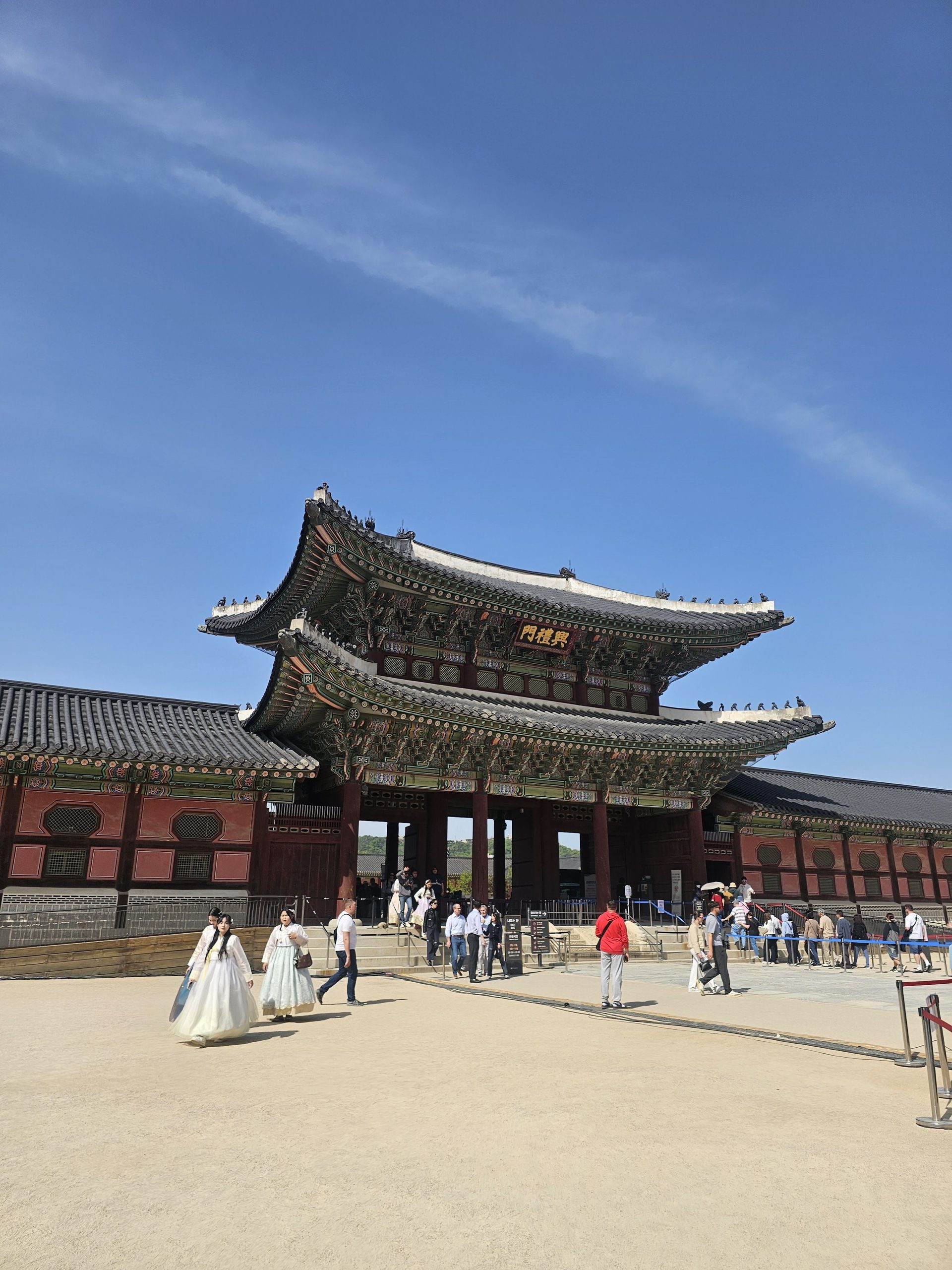
Planning a trip to Seoul and wondering how much money you’ll actually need?
The good news is that Seoul can be surprisingly affordable for a major world city. Public transportation is inexpensive, many attractions are free or low-cost, and you can find everything from affordable local restaurants to high-end dining.
But Seoul can also become expensive quickly.
A central hotel, daily café visits, taxis, Korean BBQ, shopping and nightlife can add up much faster than you might expect.
So, is Seoul expensive?
The short answer is: it depends on how you travel.
For planning purposes, a budget traveler can aim for roughly ₩80,000–₩120,000 per day, while a comfortable mid-range traveler may spend around ₩180,000–₩300,000 per day, including accommodation but excluding international airfare.
Your actual spending will depend mostly on where you stay, what you eat, how often you use taxis, and how much you shop.
Seoul Travel Budget at a Glance
Here’s a simple starting point for planning your trip.
| Travel Style | Approx. Daily Budget* | Typical Experience |
|---|---|---|
| Budget | ₩80,000–₩120,000 | Hostel or guesthouse, local food, subway |
| Mid-range | ₩180,000–₩300,000 | Comfortable hotel, restaurants, cafés, occasional taxi |
| Comfortable | ₩350,000+ | Upscale hotel, nicer restaurants, taxis and paid experiences |
*Per person. International flights and major shopping are not included. These are planning ranges rather than fixed prices.
Recent travel-cost estimates for Seoul also put typical visitor spending in a similar general range, although the exact figure varies significantly depending on accommodation and travel style.
The biggest factor in your Seoul budget is usually your hotel.
Food and transportation can be surprisingly manageable. Accommodation, shopping and premium experiences are where your spending can change dramatically.
Is Seoul Expensive Compared With Other Major Cities?
If you’re coming from New York, London, Paris or other expensive global cities, some parts of Seoul may feel quite affordable.
Public transportation is one example.
The adult base subway fare in Seoul is currently ₩1,550 when using a transportation card, while a single-use ticket costs ₩1,650. Additional fares can apply depending on distance.
Attractions can also be inexpensive.
For example, admission to Gyeongbokgung Palace is currently ₩3,000 for foreign adults.
And some of the best Seoul experiences cost nothing.
You can walk along the Han River, explore traditional neighborhoods, browse markets, visit public parks and wander around areas such as Hongdae without paying an admission fee.
On the other hand, Seoul has plenty of expensive options.
Luxury hotels, fine dining, designer shopping, beauty treatments and nightlife can quickly push your daily spending much higher.
So rather than asking whether Seoul is “cheap” or “expensive,” it’s more useful to ask:
What kind of trip are you planning?
How Much Does Accommodation Cost in Seoul?
Accommodation is usually the biggest variable in your Seoul travel budget.
A solo traveler staying in a hostel can spend much less than a couple booking a private room at a four-star hotel.
As a general planning range:
Budget accommodation
₩25,000–₩60,000 per night
This may get you a hostel dorm bed, guesthouse or basic accommodation, depending on the neighborhood and travel season.
Mid-range accommodation
₩90,000–₩180,000 per night
This is a reasonable range to consider when looking for a comfortable private room, although prices can vary considerably.
Upscale accommodation
₩250,000+ per night
Four- and five-star hotels in popular central neighborhoods can easily cost several hundred thousand won per night.
Hotel prices fluctuate significantly depending on the season, day of the week, location and how far in advance you book. Current traveler-spending data also shows substantial variation in Seoul hotel prices.
Do you need to stay in Myeongdong?
Not necessarily.
Myeongdong is extremely convenient for first-time visitors, but it isn’t the only good option.
Depending on your itinerary, you might also consider:
- Hongdae
- Euljiro
- Jongno
- Insadong
- Gangnam
- Seongsu
- Itaewon
When choosing a hotel, I’d prioritize easy access to a subway station over simply choosing the most famous neighborhood.
A hotel that’s ₩20,000 cheaper but requires a 15-minute walk to the subway every time you leave may not actually save you much money—or energy.
Coming soon: Where to Stay in Seoul: 7 Best Areas for First-Time Visitors
How Much Does Food Cost in Seoul?
Food is one of the best things about visiting Seoul because you can eat at almost any budget.
A simple local meal can be relatively inexpensive, while Korean BBQ, seafood, cocktails and trendy restaurants can be much more expensive.
Here are useful planning ranges:
| Food or Drink | Typical Planning Range |
|---|---|
| Convenience-store breakfast | ₩4,000–₩8,000 |
| Gimbap / simple meal | ₩5,000–₩10,000 |
| Local restaurant meal | ₩10,000–₩18,000 |
| Korean BBQ | ₩20,000–₩40,000+ per person |
| Café drink | ₩4,500–₩8,000 |
| Market snack | ₩3,000–₩8,000 |
These are approximate ranges rather than official fixed prices. Current 2026 travel guides show similar ranges for common Seoul meals.
Budget food
If you’re careful, ₩25,000–₩40,000 per day can cover food for a budget traveler.
You might have:
- Convenience-store breakfast
- Gimbap or noodles for lunch
- A simple Korean restaurant for dinner
- One snack or drink
Comfortable food budget
For a more relaxed trip, ₩50,000–₩90,000 per day gives you much more flexibility.
You can mix casual restaurants, cafés, desserts and the occasional Korean BBQ meal.
The café trap
Here’s something first-time visitors sometimes underestimate.
A ₩6,000 coffee doesn’t feel particularly expensive.
But if you have three coffees a day for a seven-day trip:
₩6,000 × 3 × 7 = ₩126,000
That’s why your daily spending can creep up without any single purchase feeling expensive.
How Much Does Transportation Cost in Seoul?
Transportation is one of Seoul’s biggest advantages for travelers.
The subway is extensive, and most major tourist areas are connected by public transportation.
The current adult subway base fare is ₩1,550 with a transportation card. A single-use ticket is ₩1,650.
For a typical tourist day, you might spend approximately:
₩6,000–₩10,000 on local transportation
depending on how much you move around.
Subway vs. Taxi
If you’re trying to save money, use the subway and buses for most trips.
Taxis are useful when:
- You’re traveling late at night
- You’re carrying luggage
- You’re traveling with several people
- You’re going somewhere inconvenient by subway
- You’ve already walked 20,000 steps and simply want to get back to your hotel
A taxi is not necessarily expensive for a short trip, but using one several times every day can noticeably increase your budget.
Coming soon: How to Use the Seoul Subway: A First-Time Visitor’s Guide
How Much Do Seoul Attractions Cost?
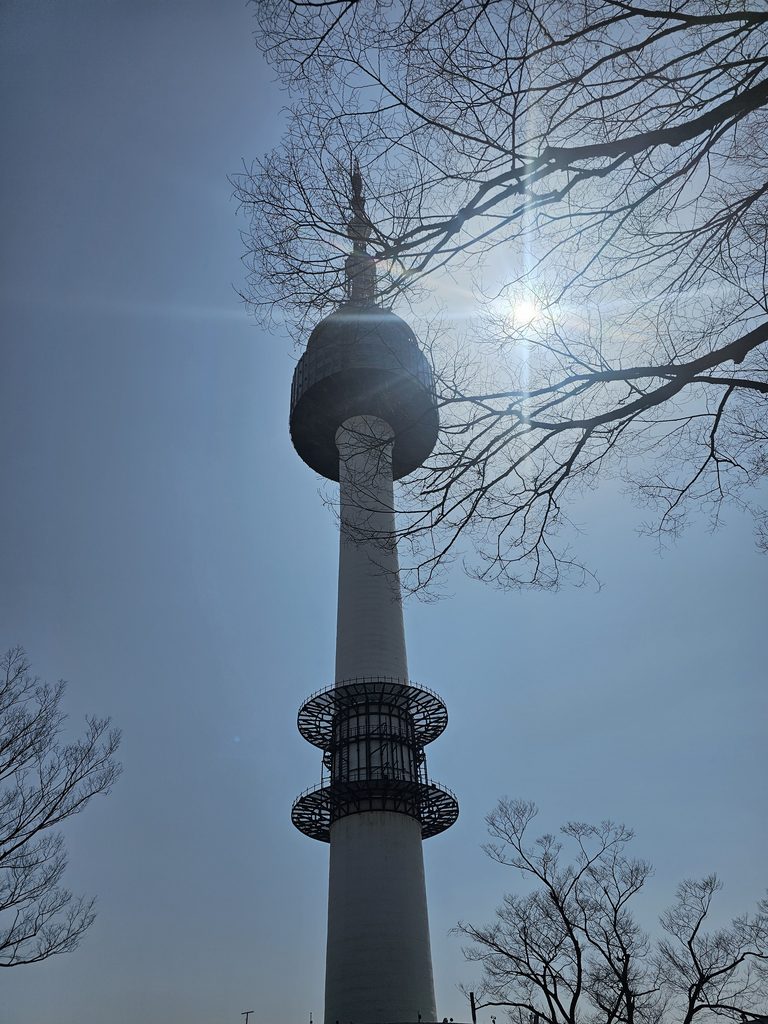
This is another area where Seoul can be surprisingly affordable.
Gyeongbokgung Palace, one of Seoul’s most famous attractions, currently charges ₩3,000 for foreign adults.
And many popular experiences are free.
You can:
- Walk along the Han River
- Explore Bukchon and nearby traditional neighborhoods
- Wander around Insadong
- Explore Hongdae
- Visit public parks
- Explore traditional markets
- Walk around Seongsu
- Enjoy Seoul’s many viewpoints
A reasonable sightseeing budget could therefore range from:
₩0–₩30,000+ per day
depending on how many paid attractions and experiences you choose.
The great thing about Seoul is that you don’t need to spend money constantly to have an interesting day.
Do You Need Cash in Seoul?
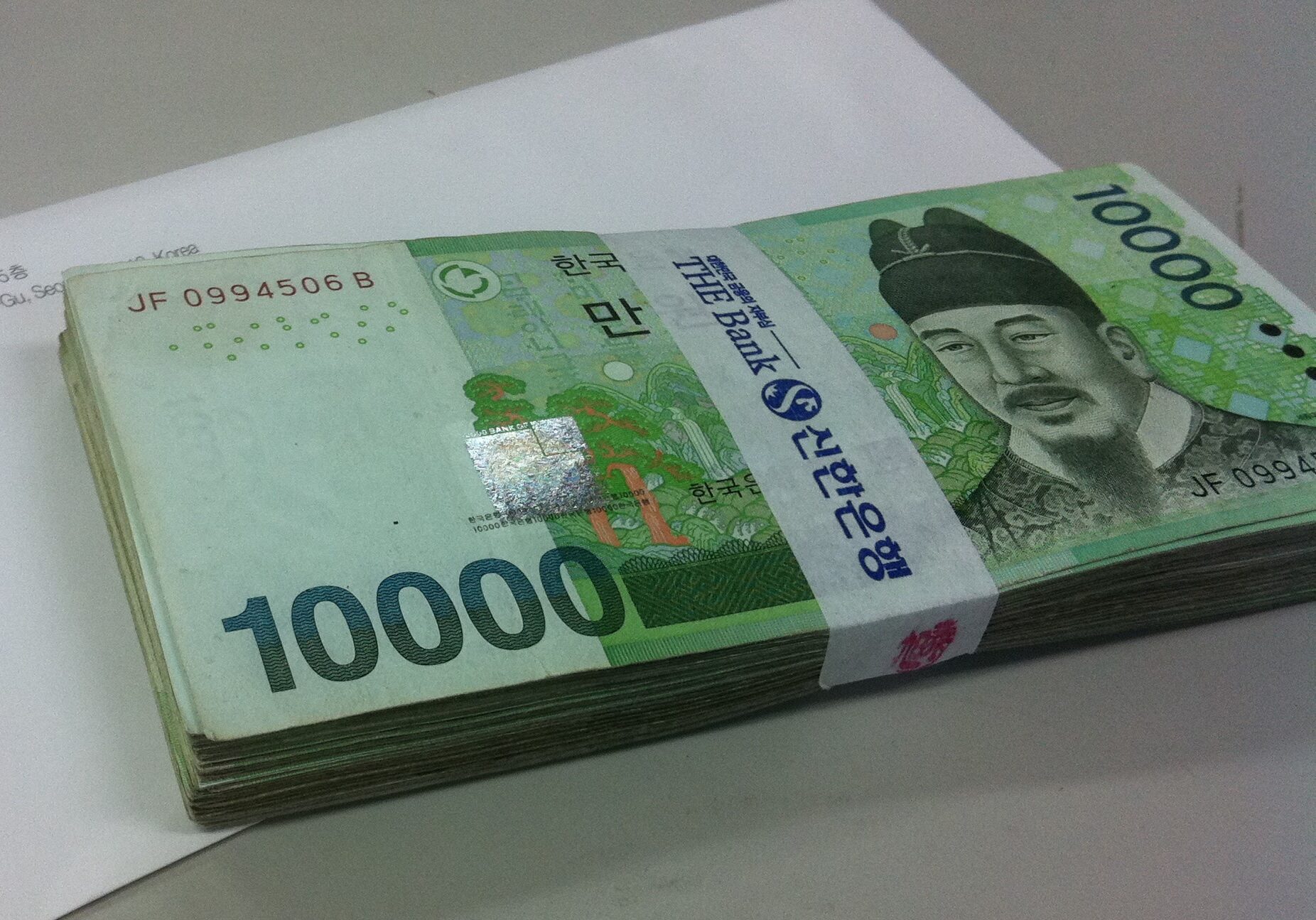
You don’t need to carry your entire travel budget in cash.
Cards are widely used in Seoul, but having some Korean won available is still a good idea.
I’d recommend:
Credit/debit card for most purchases + some Korean won as a backup.
Cash can be useful for small purchases, certain market stalls and transportation-related situations.
If you’re using a physical transportation card such as T-money, you’ll also want to understand how recharging works before relying on it for your entire trip.
Coming soon: Do You Need Cash in Korea? Cards, ATMs & T-Money Explained
How Much Money Do You Need for 3 Days in Seoul?
Let’s put everything together.
Budget traveler
Plan approximately:
₩240,000–₩360,000 for 3 days
Mid-range traveler
Plan approximately:
₩540,000–₩900,000 for 3 days
These are broad planning estimates and can vary substantially depending on your accommodation.
If two people share a hotel room, the accommodation cost per person can be significantly lower.
If you’re traveling alone and booking a private room, your per-person cost will usually be higher.
How Much Money Do You Need for 7 Days in Seoul?
For a one-week trip:
Budget traveler
₩560,000–₩840,000
Mid-range traveler
₩1,260,000–₩2,100,000
These figures are intended for planning your time in Seoul and do not include international airfare or major shopping.
If shopping is an important part of your Korea trip, I’d recommend creating a separate shopping budget rather than trying to include it in your daily travel budget.
What Does a Comfortable Day in Seoul Look Like?
Here’s an example of what a comfortable mid-range day could look like.
Breakfast: ₩8,000
Subway/bus: ₩7,000
Lunch: ₩15,000
Coffee: ₩6,000
Attraction: ₩10,000
Dinner: ₩30,000
Snack/drink: ₩7,000
Total before accommodation: approximately ₩83,000
Add a hotel room costing around ₩120,000:
Total: approximately ₩203,000
That’s a comfortable day in Seoul without staying in a luxury hotel or spending heavily on shopping.
What Can Make Seoul Surprisingly Expensive?
There are a few things that can quietly increase your spending.
1. Hotels
Your hotel can make the biggest difference to your total budget.
2. Cafés
Seoul has an incredible café culture, but visiting several cafés every day adds up.
3. Shopping
Korean skincare, cosmetics, fashion, snacks and souvenirs are hard to resist.
Set a shopping budget before you arrive.
4. Taxis
A few taxis are fine.
Taking taxis everywhere is a different story.
5. Alcohol
Korean restaurants and bars can be affordable, but several nights of drinks can significantly increase your spending.
6. Trendy restaurants
A simple local meal and a popular restaurant in a fashionable neighborhood can have very different prices.
7 Easy Ways to Save Money in Seoul
1. Use public transportation
The subway and bus system makes it possible to explore much of Seoul without taking taxis everywhere.
2. Eat at local restaurants
Don’t assume that the restaurant with the most tourists is the best value.
Look for places with a short menu and plenty of local customers.
3. Stay near a subway station
You don’t have to stay in the most famous tourist neighborhood.
Good subway access can be more important than being in the exact center of the tourist district.
4. Mix free and paid activities
You don’t need a paid attraction every few hours.
Combine palaces and museums with walks, markets, parks and neighborhoods.
5. Watch your café spending
One coffee is inexpensive.
Several coffees every day for a week aren’t.
6. Separate shopping from your daily budget
Give yourself a shopping allowance so that one afternoon at Olive Young doesn’t destroy your entire travel budget.
7. Keep a small cash backup
Use cards when convenient, but keep some Korean won with you.
So, Is Seoul Expensive?
Seoul isn’t necessarily an expensive destination—but it isn’t uniformly cheap either.
The most affordable parts of a Seoul trip are often public transportation, casual local food and many attractions.
The biggest variables are usually accommodation, shopping, dining style and taxis.
For a first-time visitor, a reasonable starting point is:
₩80,000–₩120,000 per day for a budget trip
or
₩180,000–₩300,000 per day for a comfortable mid-range trip
including accommodation but excluding international flights.
If you want to travel cheaply, Seoul gives you plenty of options.
If you want luxury, Seoul can easily accommodate that too.
That’s what makes Seoul such an interesting destination: you can spend very little or very much, depending on the kind of experience you want.
Planning Your First Trip to Seoul?
If you’re still planning your trip, these are the next questions you’ll probably want to answer:
Where should I stay in Seoul?
How do I use the subway?
How much does Korean food cost?
Do I need cash?
How many days should I spend in Seoul?
We’re building Korea Inside Out to answer those questions from a practical, local perspective.
Welcome to Korea.
Leave a Reply