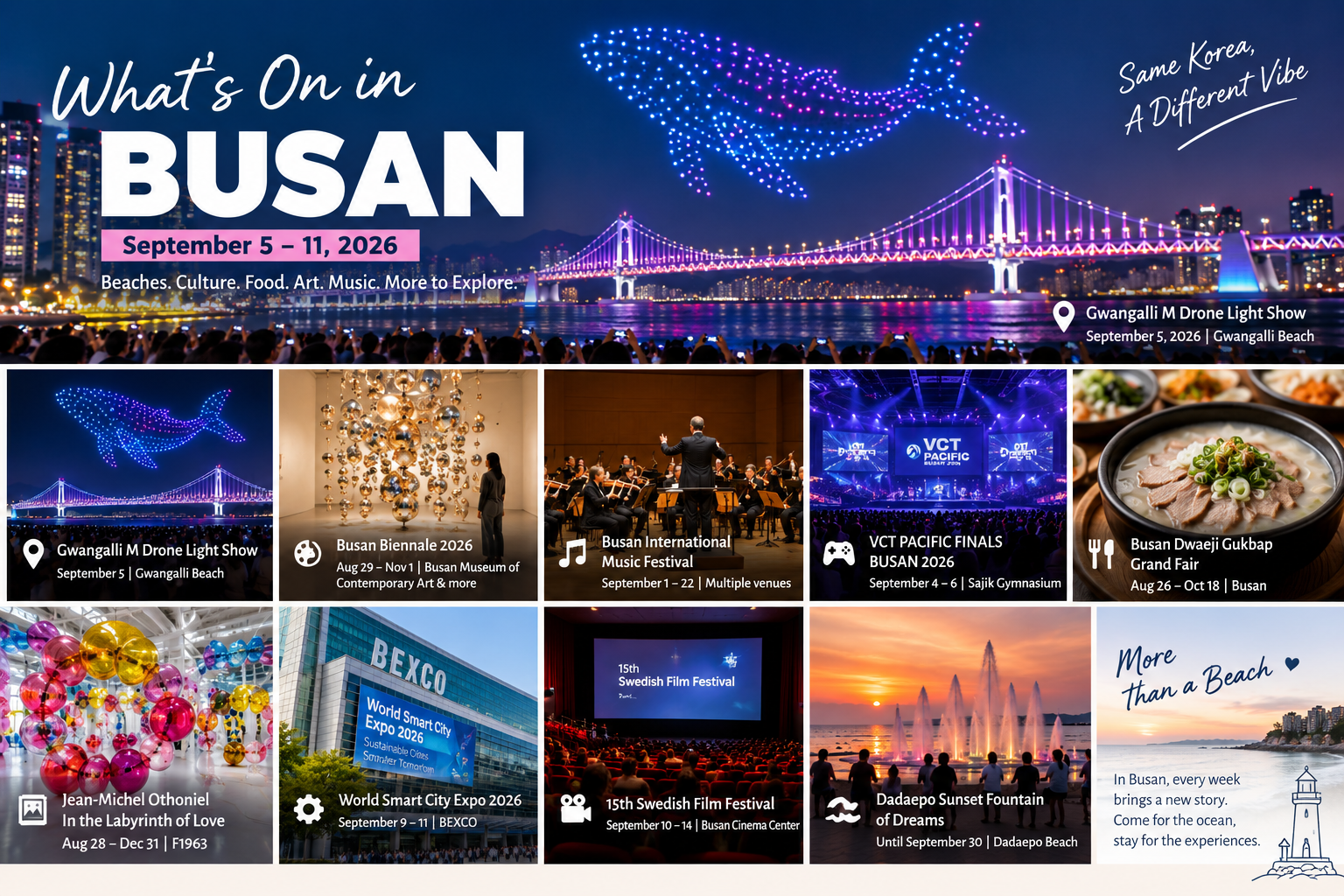
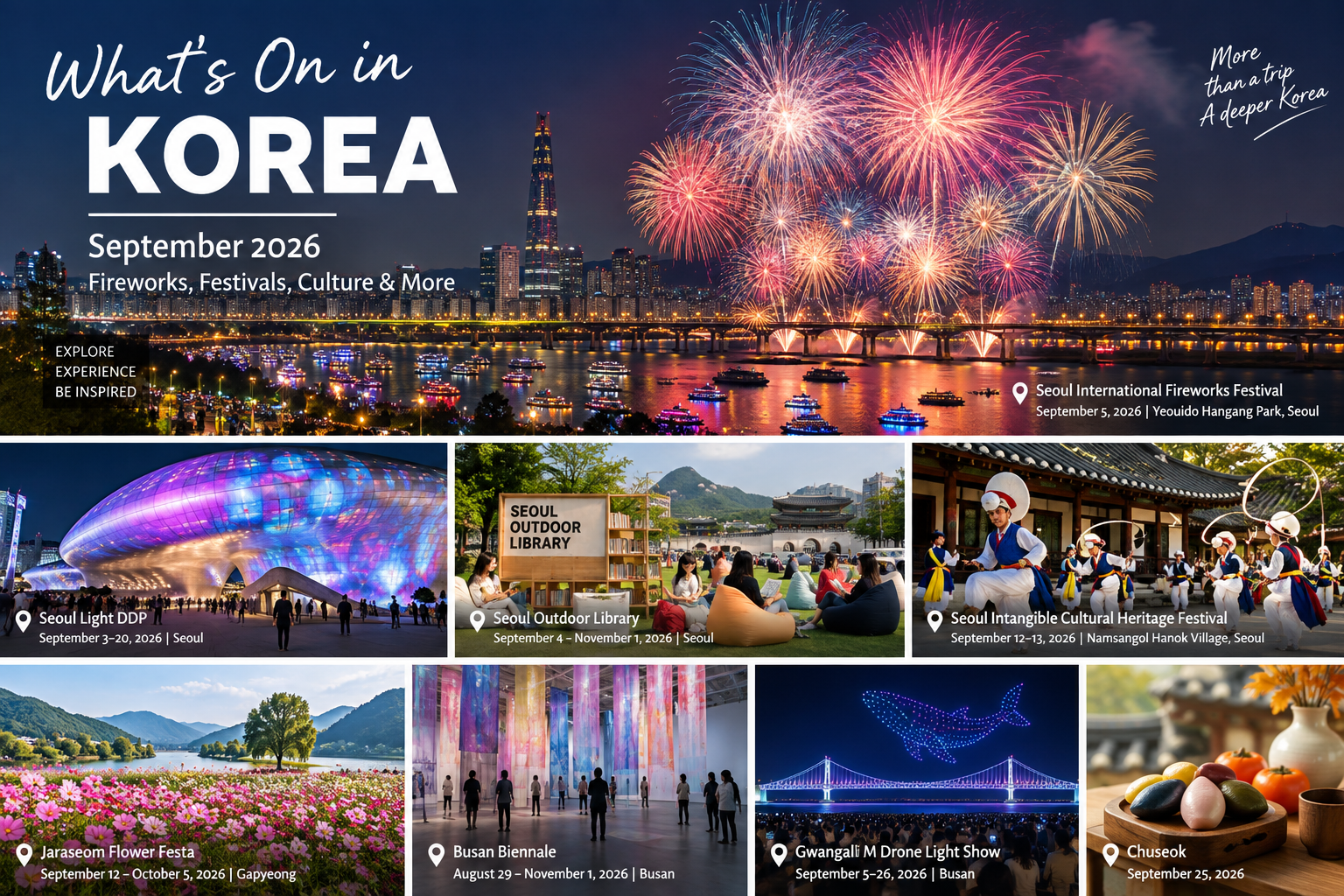
From the famous Gwangalli Drone Light Show to contemporary art, international music, esports and smart-city technology, Busan has plenty happening from September 5 to 11, 2026.
Here are some of the events worth checking out this week.
If you’re in Busan tonight, this should be at the top of your list.
More than 1,000 drones light up the sky above Gwangalli Beach, with Gwangan Bridge creating the backdrop.
This week’s theme is “Melody of the Forest.” The show lasts about 12 minutes and is presented twice, at 8:00 PM and 10:00 PM.
The show is held every Saturday throughout the year. During September, performances are at 8 PM and 10 PM.
Tip: Grab dinner or a coffee around Gwangalli Beach before the show and stay for the second performance if you want a slightly different atmosphere.
Weather warning: The show can be canceled or delayed because of rain, strong winds, typhoons or technical issues, sometimes even on the day of the event.
🎨 2. Busan Biennale 2026
📍 Busan Museum of Contemporary Art, Former Busan Nam High School & Space OneZ 📅 August 29 – November 1 🎟️ Admission varies by venue
The Busan Biennale 2026 is one of the biggest contemporary art events in the city.
This year’s exhibition, titled “Dissident Chorus,” brings together international artists and explores different perspectives, voices and forms of contemporary art.
If you’re interested in art, architecture or contemporary culture, this is one of the best events to add to your Busan itinerary this autumn.
Because the exhibition is spread across multiple venues, it’s worth checking the individual locations before you go.
🎻 3. Busan International Music Festival
📍 Multiple venues across Busan 📅 September 1–22
Classical music lovers have plenty to choose from this month.
The Busan International Music Festival 2026 features world-class orchestras and ensembles at venues including Busan Concert Hall, Nakdong Art Center, Busan Cinema Center and Haeundae Cultural Center.
The festival runs throughout September, so there are multiple opportunities to catch a performance this week and later in the month.
The festival was previously known as the Busan Maru International Music Festival and was renamed the Busan International Music Festival in 2026.
🎮 4. VCT PACIFIC FINALS BUSAN 2026
📍 Sajik Gymnasium 📅 September 4–6
If you’re a fan of esports, Busan is hosting the VCT PACIFIC FINALS BUSAN 2026 this weekend.
The event runs through Sunday, September 6, at Sajik Gymnasium.
Even if you’re not familiar with the competitive gaming scene, this is an interesting way to experience the scale of Korea’s esports culture — something that is difficult to understand from a typical sightseeing itinerary.
🍜 5. Busan Dwaeji Gukbap Grand Fair
📍 Busan 📅 August 26 – October 18
Want to try one of Busan’s signature foods?
Dwaeji-gukbap is a hearty pork soup served with rice and is one of the dishes most closely associated with Busan.
The 2026 Busan Dwaeji Gukbap Grand Fair runs through October 18, making this a good month to explore the city’s famous pork soup culture.
If you’re a first-time visitor, don’t leave Busan without trying a bowl of dwaeji-gukbap.
💎 6. Jean-Michel Othoniel: In the Labyrinth of Love
📍 F1963, Busan 📅 August 28 – December 31
Looking for something a little more artistic?
French artist Jean-Michel Othoniel is presenting In the Labyrinth of Love at F1963, one of Busan’s most interesting cultural spaces.
The exhibition features jewel-like glass sculptures and installations exploring themes including mythology, symbolism, dreams and healing.
F1963 itself is worth visiting: the former industrial site has been transformed into a cultural complex, making it a great combination of art, architecture and cafés.
🤖 7. World Smart City Expo 2026
📍 BEXCO 📅 September 9–11
Busan isn’t only about beaches and seafood.
From September 9 to 11, BEXCO hosts the World Smart City Expo 2026, bringing together technology and ideas around AI, mobility, transportation, infrastructure, marine technology, energy and urban development.
This year’s event marks its 10th anniversary and is being held together with K-ICT WEEK in Busan.
For travelers interested in technology, startups, AI or the future of cities, this is a very different side of Busan to explore.
🎬 8. 15th Swedish Film Festival
📍 Busan Cinema Center 📅 September 10–14
If you enjoy independent and international cinema, the 15th Swedish Film Festival begins at Busan Cinema Center on September 10.
It is a nice option for an evening activity if you’ve already explored Busan’s beaches and major tourist attractions.
The festival continues through September 14, so visitors staying in Busan next weekend can also include it in their plans.
🌊 One More Idea: Dadaepo Sunset Fountain
📍 Dadaepo Beach
If you want a more relaxed evening, head to Dadaepo Beach for the Dadaepo Sunset Fountain of Dreams.
The musical fountain operates through September 30, 2026. In September, the evening shows are scheduled for 7:30 PM on weekdays and 7:30 PM and 8:30 PM on weekends and holidays.
There are no regular shows on Mondays, and schedules can change depending on weather or special events.
Dadaepo is particularly beautiful around sunset, so this is a good choice if you want to combine the fountain with a beach walk.
📅 Busan This Week at a Glance
Event
Date
Location
Best For
🌌 Gwangalli Drone Light Show
Sep. 5
Gwangalli Beach
Night views
🎮 VCT PACIFIC FINALS
Sep. 4–6
Sajik Gymnasium
Esports
🎻 Busan International Music Festival
Sep. 1–22
Multiple venues
Classical music
🎨 Busan Biennale
Aug. 29–Nov. 1
Multiple venues
Contemporary art
🍜 Dwaeji Gukbap Grand Fair
Aug. 26–Oct. 18
Busan
Food
💎 Jean-Michel Othoniel
Aug. 28–Dec. 31
F1963
Art & design
🤖 World Smart City Expo
Sep. 9–11
BEXCO
AI & technology
🎬 Swedish Film Festival
Sep. 10–14
Busan Cinema Center
Film
🌊 Dadaepo Sunset Fountain
Until Sep. 30
Dadaepo Beach
Sunset & family
🌟 Our Pick for This Weekend
If you only have one evening in Busan, here’s an easy plan:
5:00 PM — Explore Gwangalli Beach ↓ 6:30 PM — Dinner near the beach ↓ 8:00 PM — Watch the Gwangalli Drone Light Show ↓ 8:20 PM — Walk along the beach and enjoy the night view of Gwangan Bridge ↓ 10:00 PM — Catch the second drone performance if you want to stay longer
It’s one of the easiest ways to experience the atmosphere of Busan without spending much money.
And the best part?
The drone show is free.
🇰🇷 Busan Is More Than Beaches
Busan is often introduced through Haeundae Beach, Gamcheon Culture Village and fresh seafood.
But there’s much more happening here.
From international art and classical music to esports, AI technology, food festivals and spectacular drone shows, Busan has a different event calendar every week.
We’ll keep updating this series with the best things to see and do in Busan.
Check back next week for What’s On in Busan: September 12–18.
Fireworks, Festivals, Culture & Events You Don’t Want to Miss
If you’re in Korea this September, you’re in for a treat.
September marks the beginning of autumn in Korea, bringing cooler weather, colorful festivals, outdoor events, cultural performances, and some of the country’s biggest annual celebrations.
Here are some of the events happening in Korea this month — including the Seoul International Fireworks Festival happening today, September 5.
🎆 Seoul International Fireworks Festival — September 5
📍 Yeouido Hangang Park, Seoul 📅 September 5, 2026 ⏰ Fireworks: 8:00 PM–around 9:10 PM 💰 Free admission
If there is one event to know about this weekend, it’s the 2026 Seoul International Fireworks Festival.
Held along the Han River in Seoul, the festival brings together fireworks teams from the United Kingdom, the United States, and South Korea.
The fireworks show begins at 8:00 PM, with each country’s team presenting its own performance before the Korean team closes the main show. The 2026 festival theme is “Your Infinite Colors.”
The main event takes place around Yeouido Hangang Park, with views also available from areas across the river, including Ichon Hangang Park and several elevated viewpoints around Seoul.
Where should you watch?
Popular viewing areas include:
Yeouido Hangang Park – the main festival area and the closest experience
Ichon Hangang Park – a great view from across the river
Sacheon Park – an elevated viewpoint with city views
Banpo Hangang Park – fireworks combined with the Han River skyline
Other viewpoints around Seoul – better options if you want to avoid the biggest crowds
Be aware that this is one of Seoul’s busiest annual events. More than hundreds of thousands of people are expected, and major roads and public transportation around Yeouido will be heavily controlled.
Our tip: If you are planning to see the fireworks tonight, use public transportation and arrive several hours early. Don’t expect to simply arrive at 7:30 PM and find a good spot!
If you can’t make it to the Han River, the fireworks will also be available through an online livestream.
💡 Seoul Light DDP — September 3–20
📍 Dongdaemun Design Plaza (DDP), Seoul 📅 September 3–20, 2026
Looking for something a little less crowded?
Head to Dongdaemun Design Plaza, one of Seoul’s most recognizable modern landmarks, for Seoul Light DDP.
The event transforms the huge curved exterior of DDP into a massive media-art display using light, video, and digital artwork.
It’s a great option for travelers who enjoy photography, architecture, and contemporary Korean culture.
📚 Seoul Outdoor Library — September 4–November 1
📍 Seoul Plaza, Gwanghwamun Square & Cheonggyecheon Stream 📅 Every Friday–Sunday 💰 Free
One of the most relaxing ways to experience Seoul this autumn is the Seoul Outdoor Library.
Instead of sitting inside a traditional library, visitors can read books outdoors in the middle of the city.
The 2026 program is running from September 4 through November 1 at several locations, including Seoul Plaza, Gwanghwamun Square, and Cheonggyecheon Stream.
It’s free, easy to visit, and makes a great break from sightseeing.
🎭 Seoul Intangible Cultural Heritage Festival — September 12–13
📍 Namsangol Hanok Village, Seoul 📅 September 12–13, 2026 💰 Free (some activities may have fees)
Want to experience a different side of Korea?
The Seoul Intangible Cultural Heritage Festival brings traditional Korean performing arts and cultural heritage to life at Namsangol Hanok Village.
For visitors who want more than K-pop and modern Seoul, this is an excellent opportunity to experience traditional Korean culture in a historic setting.
🌸 Jaraseom Flower Festa — September 12–October 5
📍 Jaraseom, Gapyeong 📅 September 12–October 5, 2026
If you are looking for a day trip outside Seoul, consider Jaraseom Flower Festa.
Jaraseom island in Gapyeong becomes a colorful autumn garden filled with seasonal flowers.
Weekend and holiday programs also include busking and local activities, making it a pleasant autumn day trip from Seoul.
🎨 Busan Biennale — August 29–November 1
📍 Busan 📅 August 29–November 1, 2026
Seoul isn’t the only city worth exploring this month.
The 2026 Busan Biennale is already underway and continues through November 1.
If you’re traveling to Busan, this is an opportunity to combine Korea’s famous beaches and food culture with contemporary international art.
🌊 Gwangalli M Drone Light Show — September
📍 Gwangalli Beach, Busan 📅 September 5–26, 2026
If you are in Busan rather than Seoul this weekend, don’t worry — you can still enjoy a spectacular night show.
The Gwangalli M Drone Light Show takes place above Gwangalli Beach on Saturdays during September.
Hundreds of drones create changing patterns and stories in the night sky, with the famous Gwangan Bridge providing the backdrop.
It’s one of the easiest ways to combine a Korean evening at the beach with a unique modern light show.
🇰🇷 Chuseok — September 25
📅 September 25, 2026
September also brings one of Korea’s most important traditional holidays: Chuseok.
Often compared to Thanksgiving, Chuseok is a major Korean holiday centered around family, food, harvest traditions, and honoring ancestors.
In 2026, Chuseok falls on September 25, with the surrounding days forming the main holiday period.
During Chuseok, travelers can find special cultural programs at museums, palaces, and traditional villages throughout Korea.
One option in Seoul is the Namsangol Chuseok Festival, taking place September 25–27 at Namsangol Hanok Village. Admission is free, although some activities and food may require payment.
📅 Korea in September: Quick Guide
Event
Date
Location
Price
🎆 Seoul International Fireworks Festival
Sep. 5
Seoul
Free
💡 Seoul Light DDP
Sep. 3–20
Seoul
Check event details
📚 Seoul Outdoor Library
Sep. 4–Nov. 1
Seoul
Free
🎭 Intangible Cultural Heritage Festival
Sep. 12–13
Seoul
Free*
🌸 Jaraseom Flower Festa
Sep. 12–Oct. 5
Gapyeong
Check event details
🎨 Busan Biennale
Aug. 29–Nov. 1
Busan
Check venue
🌊 Gwangalli Drone Light Show
Sep. 5–26
Busan
Free
🇰🇷 Chuseok Festival
Sep. 25–27
Seoul
Free*
*Some individual activities may have separate fees.
🌟 Why September Is a Great Time to Visit Korea
September is one of the most exciting transition periods in Korea.
The intense summer heat begins to fade, autumn events start appearing across the country, and major cities come alive with outdoor festivals and cultural programs.
Whether you want to watch fireworks over the Han River, explore contemporary art in Busan, experience traditional Korean culture, or simply enjoy a cool evening outdoors, there is something happening somewhere in Korea.
And if you’re in Seoul today, don’t miss the fireworks.
Just remember: arrive early, take public transportation, and be prepared for huge crowds.
We’ll keep updating this page with more events happening this week and this month in Korea.
If you’re planning your first trip to South Korea, you may be wondering:
Do I need to carry cash in Korea?
The short answer is: you don’t need to carry a lot of cash, but having some Korean won is still a good idea.
Credit and debit cards are widely used in Seoul and other major cities. You can pay by card at many restaurants, cafés, shops, hotels, and attractions.
However, cash can still be useful for small purchases, traditional markets, certain local businesses, and situations where a particular card isn’t accepted.
And then there’s T-money, the transportation card that many visitors use for Seoul’s subway and buses.
This guide explains everything you need to know about cash, credit cards, ATMs, and T-money in Korea, including how much cash to carry and the easiest way to manage money during your trip.
Do You Need Cash in Korea?
For most travelers, no — you don’t need to carry a large amount of cash.
Cards are widely accepted throughout Seoul, particularly at hotels, department stores, cafés, restaurants, convenience stores, and many tourist businesses.
However, I recommend carrying a small amount of Korean won anyway.
A simple setup for most visitors is:
Credit/debit card + T-money card + some Korean won cash
This gives you flexibility without requiring you to exchange a large amount of money before your trip.
Can You Use Credit Cards in Korea?
Yes.
Major credit and debit cards are widely accepted in South Korea, especially in Seoul.
You can commonly use cards at:
Hotels
Restaurants
Cafés
Convenience stores
Department stores
Shopping malls
Beauty stores
Many tourist attractions
Large supermarkets
Chain stores
Visa and Mastercard are generally the easiest cards for international visitors to use.
However, acceptance can vary by business, so having a small amount of cash as a backup is still smart.
A Good Rule
Don’t think of your trip as:
Cash OR card
Think of it as:
Card for most purchases + cash for backup and smaller payments.
How Much Cash Should You Bring to Korea?
You don’t need to exchange your entire travel budget into Korean won.
For a typical tourist, I’d start with around ₩50,000–₩100,000 in cash and then get more if necessary.
That’s enough to give you a comfortable cash buffer without carrying a large amount of money.
You can use your card for larger expenses such as:
Hotels
Shopping
Restaurants
Department stores
Attractions
And use cash when necessary for:
Small purchases
Traditional markets
Street food
Small local businesses
Transportation-related situations
Places that don’t accept your card
Your exact amount depends on your itinerary and spending habits.
If you’re planning a budget trip, you may need less.
If you’re visiting traditional markets or smaller towns outside Seoul, carrying more cash can be useful.
Should You Exchange Money Before Going to Korea?
You don’t necessarily need to exchange a large amount of Korean won before leaving home.
For many travelers, a practical approach is:
Bring a small amount of Korean won.
Bring a credit/debit card with low foreign transaction fees.
Use ATMs or exchange services in Korea if you need additional cash.
This reduces the risk of ending your trip with a large amount of Korean currency you don’t need.
Don’t Exchange Too Much
One common mistake is exchanging hundreds or thousands of dollars into Korean won before the trip.
It may feel reassuring, but it’s usually unnecessary.
You’ll have other options once you arrive.
What Currency Is Used in Korea?
South Korea uses the Korean won (₩).
You may see prices written as:
₩5,000
₩10,000
₩15,000
₩50,000
The symbol is ₩ and the currency code is KRW.
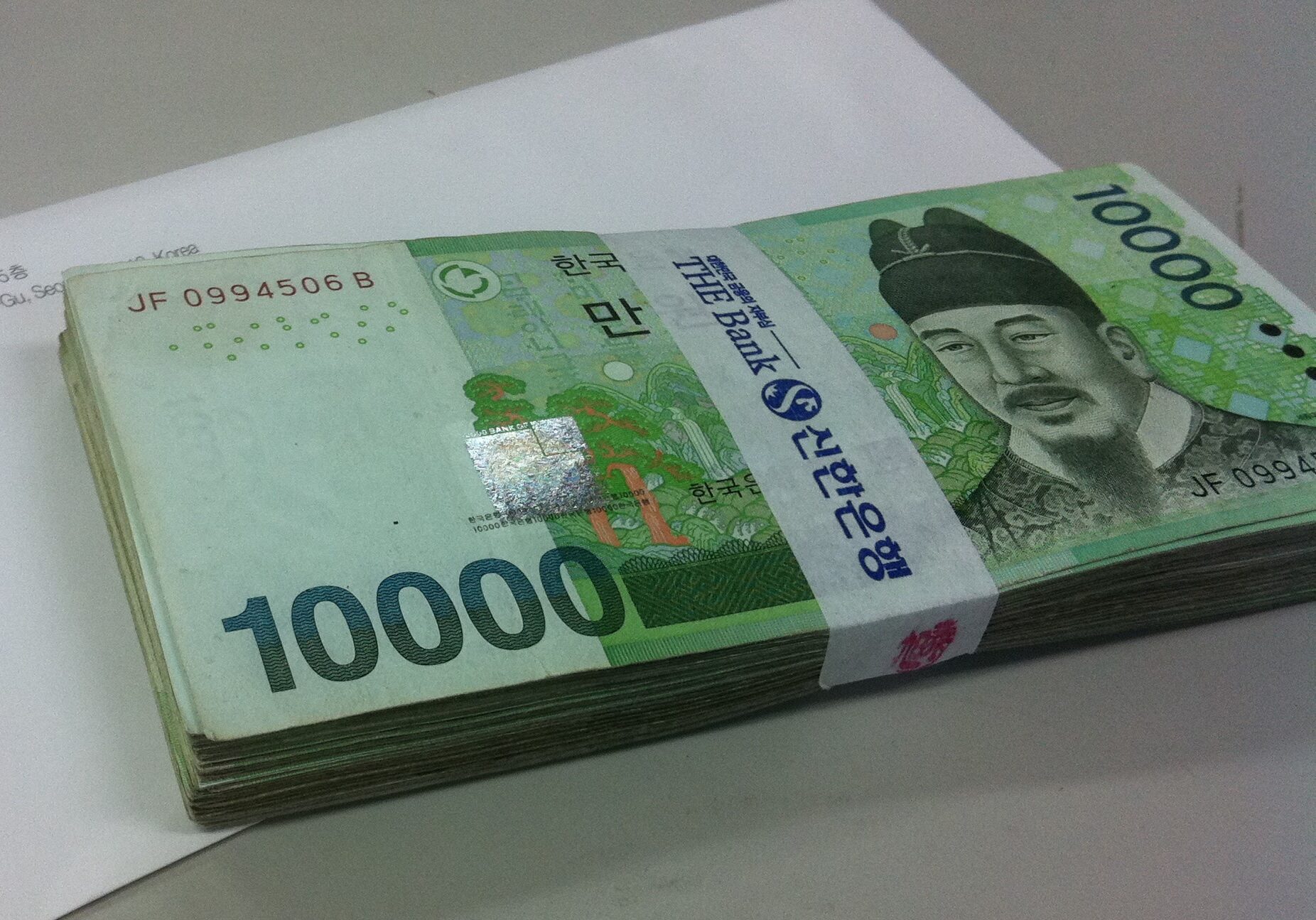
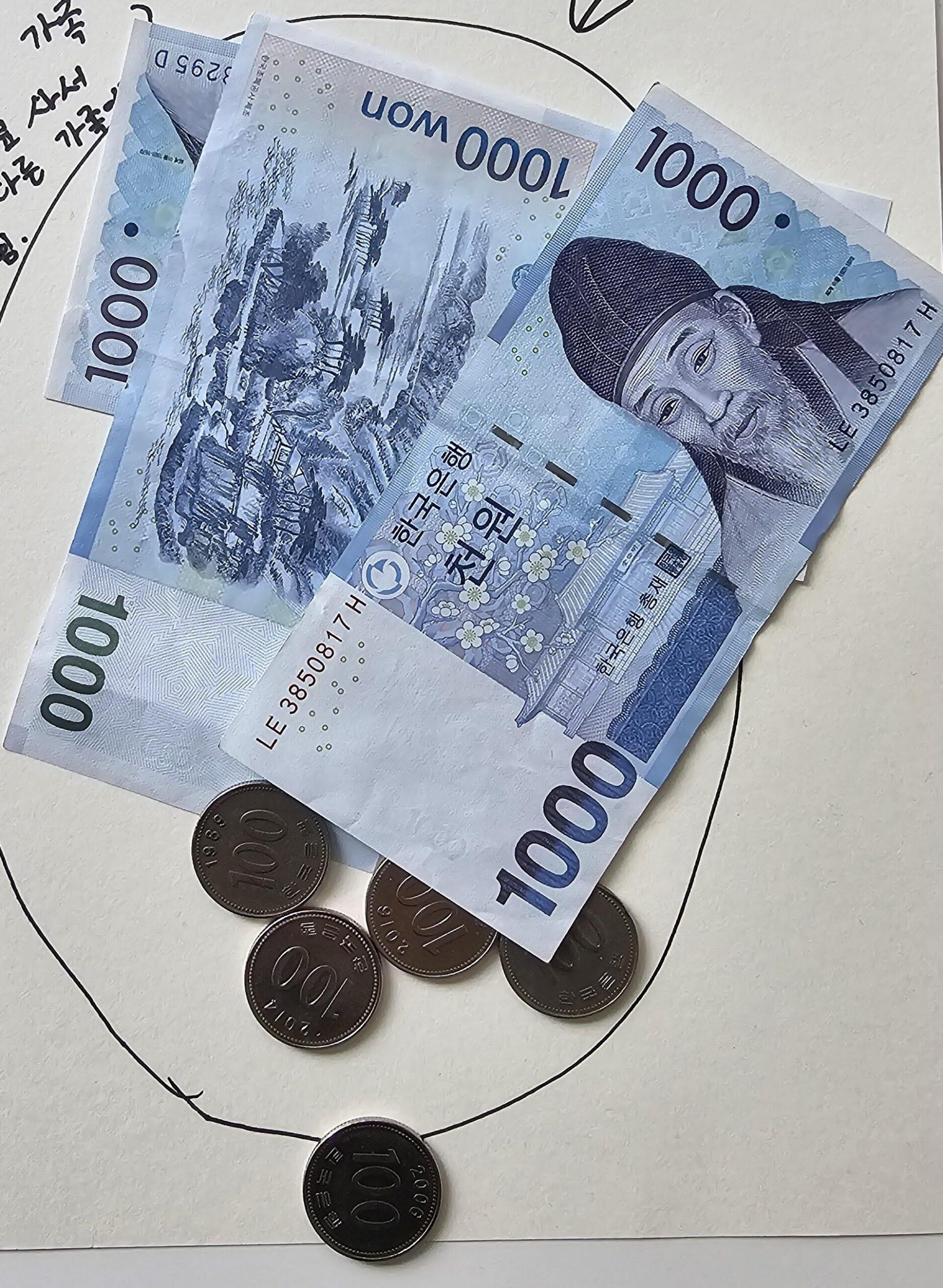
Korean banknotes commonly come in:
₩1,000
₩5,000
₩10,000
₩50,000
You will also encounter Korean coins.
One Important Tip
When you’re looking at Korean prices, don’t accidentally treat ₩10,000 as $10.
The Korean won has a much larger numerical denomination than the U.S. dollar.
For example:
₩10,000 = ten thousand won, not ten dollars.
You’ll get used to the numbers quickly.
Where Can You Get Korean Won?
There are several ways to get Korean won.
1. Currency Exchange
Currency exchange counters are available at airports and throughout major tourist areas.
Airport exchange counters are convenient, but convenience doesn’t always mean the best exchange rate.
If you’re exchanging a large amount, compare rates when possible.
2. ATMs
International visitors can also withdraw Korean won from compatible ATMs.
However, not every ATM will necessarily accept every foreign card.
Look for ATMs that support international cards and check the fees displayed before completing the transaction.
3. Banks
Banks can also provide currency exchange services, although opening hours and requirements vary.
For most tourists, an ATM or established currency exchange service is usually more convenient.
Can You Use an ATM in Korea?
Yes.
ATMs are widely available in Seoul, including at banks, convenience stores, transportation hubs, and other locations.
However, there is an important distinction:
Not every ATM accepts foreign cards.
If your card doesn’t work at one ATM, don’t assume that your card is broken.
Try another ATM, particularly one that clearly indicates support for international cards.
Before Your Trip
It’s a good idea to check with your bank:
Whether your card can be used internationally
Foreign transaction fees
International ATM fees
Daily withdrawal limits
Whether you need to notify the bank about international travel
This can prevent unpleasant surprises after you arrive.
Should You Withdraw Cash at the Airport?
You can, and it can be convenient.
But you don’t necessarily need to withdraw a large amount immediately after landing.
If you already have a small amount of Korean won, you can wait until you understand your spending needs.
If you do use an airport ATM, check the fees and exchange-rate information carefully before confirming the transaction.
The airport is about convenience, not necessarily getting the absolute best exchange rate.
What Is T-money?
If you’re visiting Seoul, you’ll probably hear the name T-money very quickly.
T-money is a rechargeable transportation card used for public transportation in Korea.
It is particularly useful for visitors using:
Seoul subway
City buses
Other participating public transportation
Instead of buying an individual subway ticket for every trip, you simply load money onto the card and tap it when using transportation.
Do You Need T-money in Korea?
You don’t absolutely need one.
But if you’re staying in Seoul for several days and plan to use the subway or buses, I strongly recommend getting one.
It’s convenient and saves you from repeatedly buying individual tickets.
For most first-time visitors, this is the simplest combination:
Credit card → everyday purchases
T-money → public transportation
Cash → backup and cash-only situations
How Much Money Should You Put on T-money?
You don’t need to load a huge amount at once.
Start with a modest amount and add more when necessary.
Your transportation spending depends on:
How many days you’re staying
How often you use public transportation
How far you’re traveling
Whether you use buses as well as the subway
If you’re staying in Seoul and sightseeing every day, you’ll probably use public transportation several times a day.
Can You Use a Credit Card Instead of T-money on the Subway?
This is where things can be confusing for international visitors.
You should not assume that your normal foreign credit card can simply replace a T-money card at every Seoul subway gate.
For a straightforward tourist experience, use a transportation card such as T-money for regular subway and bus travel.
This also makes transfers between public transportation modes easier to manage.
Do You Need Cash for Korean Restaurants?
Usually not.
Many restaurants accept cards, particularly in Seoul.
However, smaller independent restaurants and certain local businesses may have different payment policies.
This is one reason I recommend keeping some Korean won with you.
If you see a restaurant that looks interesting but you’re unsure about payment methods, check before ordering.
Do You Need Cash for Street Food?
This is where having cash becomes particularly useful.
Some street-food vendors and small market stalls may prefer or require cash, while others may accept cards or other forms of payment.
Don’t assume that every small vendor accepts international credit cards.
If you’re planning to explore traditional markets or street-food areas, carrying some Korean won is a good idea.
Do You Need Cash at Korean Convenience Stores?
Major convenience stores generally accept cards, so you don’t need cash just to buy a drink or snack.
This makes convenience stores particularly useful for international visitors.
If your card works, you can usually pay without worrying about having Korean won in your wallet.
And there are convenience stores almost everywhere in Seoul.
Can You Use Contactless Payment in Korea?
Contactless and mobile payments are becoming increasingly common, but you shouldn’t assume that every Korean merchant will accept your particular foreign mobile wallet or contactless payment method.
Your physical card is a useful backup.
For a first trip, I’d recommend bringing:
Your primary credit card
A second card as backup
Your phone
Some Korean won
A T-money card
This gives you several payment options.
What About Apple Pay and Other Mobile Wallets?
Mobile payment availability can vary by country, card issuer, merchant, and payment terminal.
If you normally rely heavily on Apple Pay or another mobile wallet at home, don’t make it your only payment method in Korea.
Bring a physical card as a backup.
This is one of those situations where a little preparation can prevent unnecessary stress.
Are Korean Won Coins Useful?
Yes.
You may receive coins when paying with cash.
Don’t throw them away.
Small denominations can be useful for small purchases and certain machines.
However, you don’t need to carry a huge number of coins around.
Use them naturally during your trip and you’ll gradually get rid of them.
Cash vs. Card in Korea: What Should You Use?
Here’s the simplest way to think about it.
Situation
Best option
Hotel
Credit/debit card
Department store
Credit/debit card
Large restaurant
Credit/debit card
Café
Card
Convenience store
Card
Subway
T-money
Bus
T-money
Small vendor
Cash can be useful
Traditional market
Cash recommended as backup
Street food
Cash recommended as backup
Emergency
Cash
This isn’t an absolute rule.
Payment methods vary by business.
But it’s a useful starting point for first-time visitors.
7 Money Tips for Your First Trip to Korea
1. Bring Two Cards
Don’t travel internationally with only one card.
Bring a backup card and keep it separately from your primary card.
If one card is lost, blocked, or declined, you’ll still have another option.
2. Check Foreign Transaction Fees
Some cards charge foreign transaction fees.
A card with no foreign transaction fee can save you money over the course of a trip.
3. Don’t Carry All Your Cash Together
If you’re carrying a significant amount of cash, don’t keep everything in one wallet.
Keep a backup separately.
4. Keep Some Korean Won on Hand
Even if you mostly use cards, having ₩50,000 or so available can make your trip more comfortable.
5. Don’t Exchange Your Entire Budget
There’s no need to carry your entire travel budget in cash.
Use your card for larger purchases and obtain additional cash if necessary.
6. Check ATM Fees
Your bank and the Korean ATM operator may charge fees.
Read the fee information displayed on the ATM before confirming a withdrawal.
7. Keep Your T-money Separate
If you use T-money regularly, keep it somewhere easy to reach.
You’ll be tapping it frequently when using public transportation.
A Simple Money Setup for a 7-Day Seoul Trip
If I were planning a one-week Seoul trip, I’d keep it simple.
In My Wallet
1 primary credit card
1 backup card
₩50,000–₩100,000 cash
T-money card
On My Phone
Banking app
Card issuer app
Navigation app
Currency converter
In My Luggage
Backup physical card
Some emergency cash stored separately
You don’t need a complicated system.
The goal is simply to have more than one way to pay.
What About Tipping in Korea?
Unlike the United States, tipping is generally not expected at ordinary restaurants and cafés in Korea.
You normally pay the stated amount rather than automatically adding a percentage.
Some businesses may have their own policies or service charges, so check your bill if you’re unsure.
For everyday travel, you don’t need to build a large tipping budget into your plans.
Should You Carry U.S. Dollars in Korea?
U.S. dollars are not a substitute for Korean won when making everyday purchases.
If you need cash for a purchase, use Korean won.
If you arrive with U.S. dollars or another foreign currency, exchange them through an appropriate currency exchange service rather than expecting ordinary shops to accept them.
What If Your Card Doesn’t Work?
Don’t panic.
There are several possible reasons:
The merchant doesn’t accept your card network
The payment terminal doesn’t support your card
Your bank declined the transaction
Your card has international transactions disabled
The business only accepts certain payment methods
Try another card or pay with cash if you have it.
If you’re using an ATM, try another ATM that supports international cards.
This is another reason I recommend having a backup card.
Final Answer: Do You Need Cash in Korea?
Yes, but you don’t need much.
For most visitors to Seoul, a combination of credit/debit card + T-money + a small amount of Korean won is the easiest approach.
Use your card for most everyday purchases.
Use T-money for public transportation.
Keep some cash for small vendors, markets, street food, and unexpected situations.
You don’t need to spend your first day in Seoul worrying about exchanging a huge amount of money.
Start with a reasonable amount of Korean won, use your card when convenient, and withdraw or exchange more only when you actually need it.
My Simple Recommendation
If you’re a first-time visitor, remember these four things:
Bring two cards.
Carry some Korean won.
Get a T-money card if you’re using public transportation.
Don’t rely on only one payment method.
That’s really all you need.
Planning Your Seoul Trip?
If you’re still planning your first trip to Seoul, these guides may also help:
One of the best things about visiting Seoul is the food.
From a quick bowl of noodles to Korean barbecue, street food, cafés, and traditional restaurants, you can eat very well in Seoul at a wide range of prices.
But if you’re planning your first trip to Korea, you may be wondering:
How much does food actually cost in Seoul?
The answer depends heavily on how and where you eat.
You can have a simple meal for less than ₩10,000, but a Korean barbecue dinner or a trendy restaurant can easily cost several times more.
In this guide, I’ll break down realistic Seoul food prices for 2026, including cheap meals, restaurants, Korean barbecue, street food, cafés, convenience stores, and a realistic daily food budget for travelers.
Quick Answer: How Much Should You Budget for Food in Seoul?
For most travelers, a reasonable food budget in Seoul is around:
Travel style
Daily food budget per person
Budget
₩20,000–₩30,000
Comfortable
₩30,000–₩50,000
Food-focused
₩50,000–₩80,000+
These are practical planning ranges rather than fixed prices.
A budget traveler can spend less by eating at kimbap restaurants, convenience stores, markets, and inexpensive local restaurants.
On the other hand, Korean barbecue, seafood, premium restaurants, cocktails, and café hopping can push your daily spending considerably higher.
The good news is that you don’t need a huge food budget to eat well in Seoul.
Typical Food Prices in Seoul in 2026
Here is a useful starting point for planning your trip.
Food or drink
Typical price
Convenience store snack/meal
₩2,000–₩6,000
Kimbap
₩3,000–₩6,000
Simple Korean meal
₩8,000–₩13,000
Noodles
₩8,000–₩13,000
Gukbap
₩9,000–₩13,000
Korean fried chicken
₩20,000–₩30,000+
Korean barbecue
₩15,000–₩30,000+ per person
Street food snack
₩2,000–₩6,000
Coffee
₩3,000–₩7,000
Dessert
₩4,000–₩10,000+
These prices are approximate because Seoul restaurant prices vary significantly by neighborhood, restaurant type, portion size, and ingredients.
Tourist-heavy areas and trendy neighborhoods can also be more expensive than local residential areas.
Is Food Expensive in Seoul?
Compared with many major cities in the United States, Seoul can still offer good value for everyday meals.
But Seoul is not uniformly cheap.
This is an important distinction.
A simple local meal can be surprisingly affordable, while a popular restaurant in a trendy neighborhood can be quite expensive.
For example, an ordinary Korean lunch might cost around ₩8,000–₩13,000, while a meal centered around grilled meat can cost much more.
Recent Seoul restaurant listings also show individual dishes and set meals in the ₩10,000–₩18,000 range at some restaurants.
So instead of asking whether “Seoul food is cheap,” it is better to think of Seoul as a city where you have a very wide range of choices.
How Much Does a Cheap Meal Cost in Seoul?
If you’re trying to keep your travel budget low, you have plenty of options.
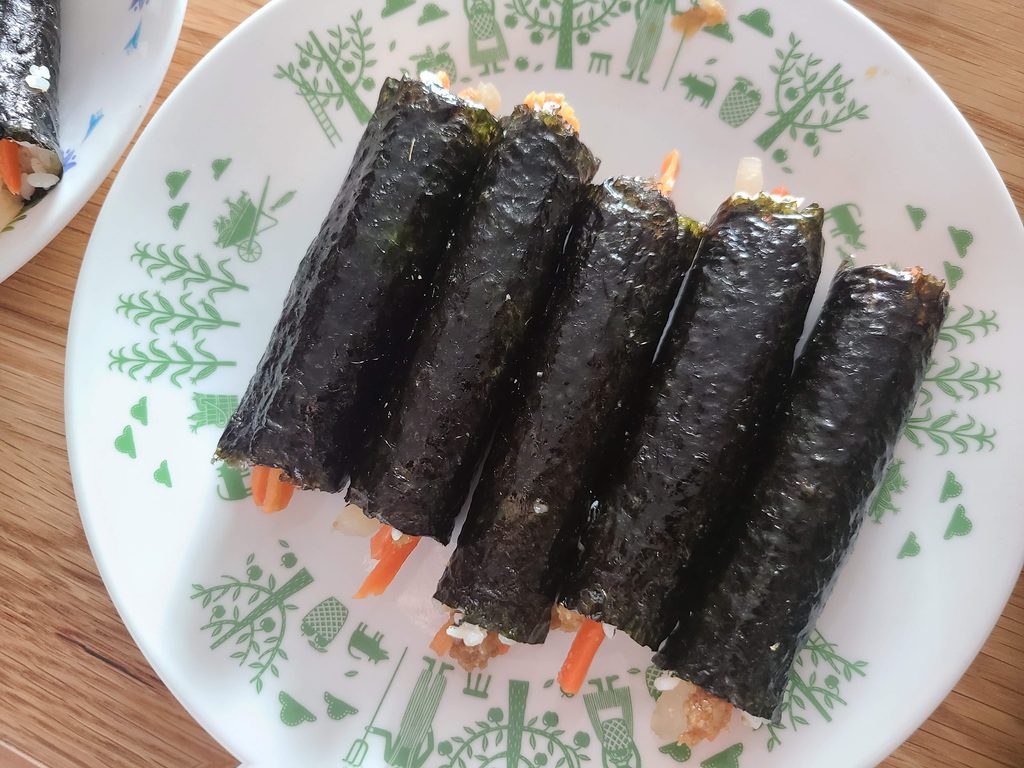
Kimbap
Kimbap is one of the easiest budget-friendly meals for travelers.
A basic roll can often be found for a few thousand won, while more elaborate versions cost more.
It’s convenient, filling, and easy to take with you.
Gukbap
Gukbap literally refers to soup served with rice and is a popular everyday Korean meal.
Depending on the restaurant and type of soup, you can often find it in the ₩9,000–₩13,000 range.
It’s especially useful on a cold day when you want something warm and filling.
Noodles
Korean noodle dishes are another good-value option.
Naengmyeon, kalguksu, jjolmyeon, and other noodle dishes can make an affordable lunch or dinner.
Recent official Seoul tourism listings include traditional cold noodles at ₩10,000 at one established restaurant, although prices vary considerably between restaurants.
How Much Does Korean Barbecue Cost?
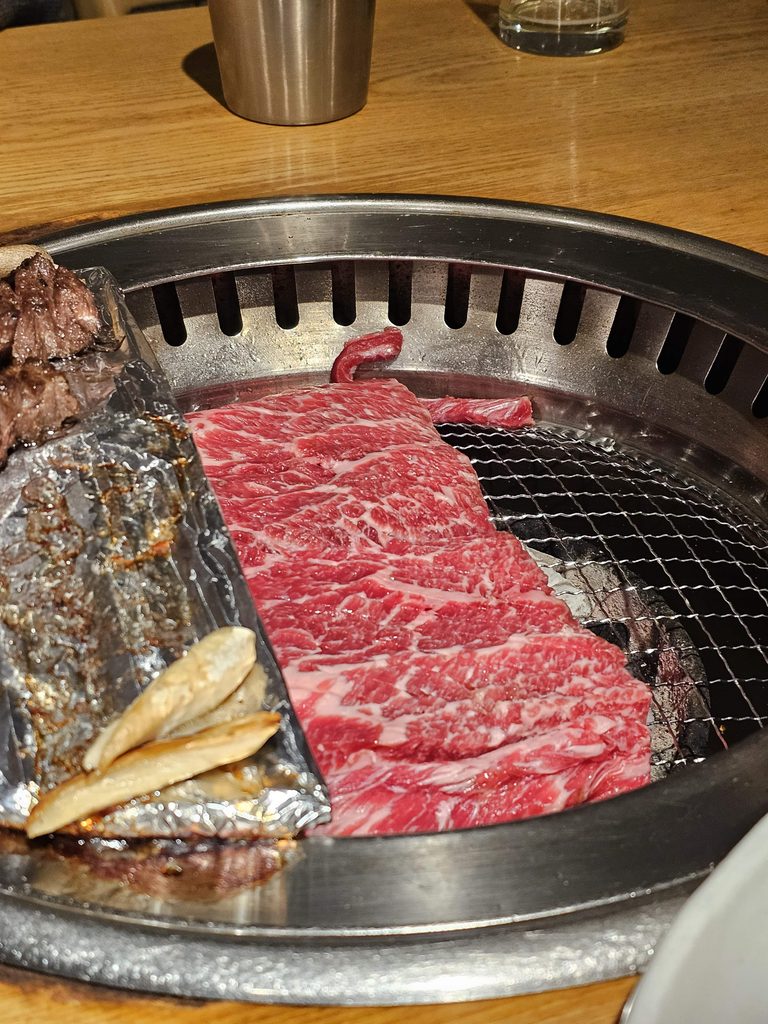
Korean barbecue is one of the meals many international visitors most want to try.
It’s also one of the meals where your food budget can increase quickly.
A typical barbecue restaurant may charge around ₩15,000–₩30,000 or more per person, depending on the type and quality of meat.
Premium beef can cost substantially more.
Why Is Korean BBQ More Expensive?
There are several reasons.
Meat is generally more expensive than a simple bowl of noodles or soup.
In addition, barbecue is usually a social meal, and people often order several portions, side dishes, drinks, and sometimes rice or noodles afterward.
Some restaurants also have minimum ordering requirements or expect customers to order more than one portion.
A Tip for Solo Travelers
If you’re traveling alone, check the restaurant’s ordering policy before sitting down.
Some barbecue restaurants are designed for groups and may be less convenient for solo diners.
For two or more people, however, Korean barbecue can be one of the most enjoyable meals of a Seoul trip.
How Much Does Korean Fried Chicken Cost?
Korean fried chicken is another popular choice for visitors.
A whole order commonly costs around ₩20,000–₩30,000 or more, depending on the restaurant and size.
The important thing to remember is that one order can be large enough to share.
If you’re traveling with two or three people, Korean fried chicken can actually be reasonably priced per person.
And yes, ordering fried chicken in Seoul is absolutely worth trying at least once.
How Much Does Street Food Cost in Seoul?
Street food can be one of the easiest ways to try different Korean foods without spending a lot.
Popular options include:
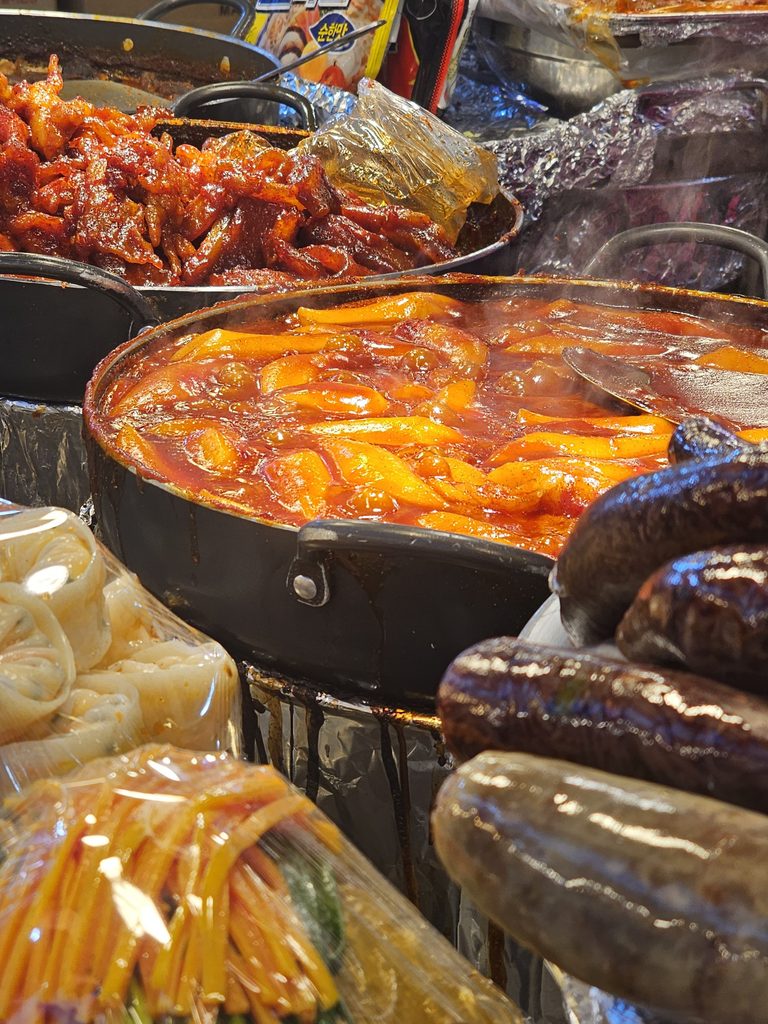
Tteokbokki
Eomuk (fish cake)
Hotteok
Gimbap
Twigim (fried snacks)
Mandu
Roasted sweet potatoes
Korean-style corn dogs
Prices vary by location and vendor, but a small street-food purchase can often cost only a few thousand won.
Where Can You Try Street Food?
You may find street food around traditional markets, busy shopping areas, and popular tourist districts.
However, don’t assume that every street-food market is equally cheap.
Some famous tourist areas charge noticeably more than neighborhood markets.
How Much Does Coffee Cost in Seoul?
If you love cafés, this is where your daily food budget can quietly increase.
A typical coffee may cost roughly ₩3,000–₩7,000, although specialty coffee and trendy cafés can cost more.
And Seoul has an enormous café culture.
You can find:
Independent coffee shops
Dessert cafés
Traditional tea houses
Large Korean café chains
Specialty coffee shops
Themed cafés
Rooftop cafés
If you’re visiting Seoul for the cafés as much as the food, consider adding another ₩5,000–₩15,000 per day to your food budget.
How Much Does Food Cost at a Convenience Store?
Korean convenience stores are extremely useful for travelers.
You can find inexpensive food and drinks at places such as convenience stores throughout Seoul.
Depending on what you buy, a simple combination of kimbap, snacks, noodles, or a prepared meal can be considerably cheaper than eating at a sit-down restaurant.
A convenience-store meal can be a useful option when:
You arrive late at night
You need a quick breakfast
You’re trying to save money
You don’t want a full restaurant meal
You’re tired after a long day of sightseeing
But I wouldn’t recommend eating every meal this way.
One of the best parts of visiting Korea is trying local restaurants and different Korean dishes.
How Much Does Breakfast Cost in Seoul?
Breakfast is where you can save money easily.
Many Korean travelers don’t necessarily eat a large Western-style breakfast every morning.
For tourists, practical options include:
Option 1: Convenience Store
Budget: ₩3,000–₩7,000
You can pick up coffee, fruit, yogurt, kimbap, bread, or a prepared meal.
Option 2: Café
Budget: ₩5,000–₩10,000
Coffee plus a pastry or simple breakfast item.
Option 3: Hotel Breakfast
Budget: ₩10,000–₩30,000+
This varies greatly depending on the hotel.
If breakfast is included with your hotel room, take advantage of it.
How Much Does Lunch Cost in Seoul?
Lunch is often one of the easiest meals to keep affordable.
A typical local Korean lunch can fall around ₩8,000–₩13,000.
Good options include:
Kimchi jjigae
Doenjang jjigae
Bibimbap
Gukbap
Kalguksu
Naengmyeon
Kimbap
Dumplings
If you avoid premium restaurants and tourist-heavy locations, you can have a satisfying lunch without spending much.
How Much Does Dinner Cost in Seoul?
Dinner has a much wider range.
Budget Dinner
₩8,000–₩15,000
Think noodles, soup, rice dishes, dumplings, or casual Korean restaurants.
Mid-Range Dinner
₩15,000–₩30,000
This could include barbecue, chicken, seafood, or a nicer Korean restaurant.
Special Dinner
₩30,000–₩70,000+
Premium barbecue, seafood, tasting menus, high-end restaurants, or drinks can push the cost much higher.
This is why your daily food budget depends so much on what you plan to eat for dinner.
A Realistic Seoul Food Budget for One Day
Let’s imagine a typical sightseeing day.
Budget Traveler
Breakfast: ₩4,000 Lunch: ₩9,000 Street food/snack: ₩4,000 Dinner: ₩12,000
Total: about ₩29,000
This is a realistic target if you’re deliberately choosing affordable meals.
Traditional tipping is not generally expected at ordinary Korean restaurants.
You don’t need to automatically add a percentage to your restaurant bill in the way you might in the United States.
However, individual businesses may have their own policies or service charges, so always check the bill if you’re unsure.
For most everyday dining, simply paying the stated amount is normal.
How Much Should You Budget for Food on a 3-Day Seoul Trip?
Here’s a simple example.
Budget Trip
₩25,000 per day × 3 days = ₩75,000
Comfortable Trip
₩45,000 per day × 3 days = ₩135,000
Food-Focused Trip
₩70,000 per day × 3 days = ₩210,000
These figures are for food and drinks only.
They don’t include accommodation, transportation, shopping, attractions, or alcohol.
How Much Should You Budget for Food on a 7-Day Seoul Trip?
For a week in Seoul:
Budget
₩25,000 × 7 = ₩175,000
Comfortable
₩45,000 × 7 = ₩315,000
Food-Focused
₩70,000 × 7 = ₩490,000
If you’re planning a longer trip, you can save money by alternating restaurant meals with cheaper breakfasts, convenience-store food, markets, and casual local restaurants.
What Should You Eat in Seoul?
If this is your first trip to Korea, don’t leave Seoul without trying at least a few of these:
Korean barbecue
Kimchi jjigae
Bibimbap
Gimbap
Tteokbokki
Korean fried chicken
Naengmyeon
Mandu
Bulgogi
Samgyetang
Korean street food
Korean desserts and café drinks
You don’t need to visit expensive restaurants to try Korean food.
Some of the most memorable meals can be simple dishes at ordinary neighborhood restaurants.
My Recommendation for First-Time Visitors
If you’re visiting Seoul for the first time, I’d personally plan around ₩30,000–₩50,000 per person per day for food.
That gives you enough flexibility to eat at normal restaurants, grab snacks, enjoy a coffee, and occasionally spend more on something special.
You can spend less, especially if you’re careful.
You can also spend much more if food is one of the main priorities of your trip.
The important thing is not to underestimate how much small purchases can add up.
A coffee here, a dessert there, a street-food snack in the afternoon, and drinks with dinner can turn a ₩30,000 food day into ₩50,000 surprisingly quickly.
Final Thoughts
So, how much does food cost in Seoul?
For most travelers, a realistic food budget is around ₩30,000–₩50,000 per person per day.
If you’re traveling on a tight budget, you can eat for around ₩20,000–₩30,000 a day by choosing inexpensive restaurants and convenience stores.
If you’re a serious food lover, budget ₩50,000–₩80,000 or more and give yourself room to enjoy Korean barbecue, cafés, desserts, seafood, and nicer restaurants.
My biggest tip is simple:
Don’t try to make every meal cheap.
Instead, mix inexpensive local meals with a few memorable meals that are worth spending more on.
That’s usually the best way to experience Seoul’s food culture without letting your travel budget get out of control.
What About You?
What Korean food are you most excited to try in Seoul?
Are you planning to focus on Korean barbecue, street food, traditional Korean dishes, or Seoul’s famous café scene? Let me know in the comments!
If you’re visiting Seoul for the first time, the subway will probably become one of your best travel tools.
Seoul is a huge city, and many of the places you want to visit are spread across different neighborhoods. The good news is that the Seoul subway is relatively easy to use once you understand a few basics.
You don’t need to speak Korean to use it. Station signs are available in Korean and English, subway lines are color-coded, and route-planning apps make it much easier to find your way around.
This guide explains how to use the Seoul subway step by step, including fares, T-money cards, transfers, subway signs, and the mistakes first-time visitors should avoid.
Is the Seoul Subway Easy to Use?
Yes — especially once you understand how the system is organized.
Seoul’s subway has an extensive network connecting major tourist areas, shopping districts, neighborhoods, and attractions throughout the city.
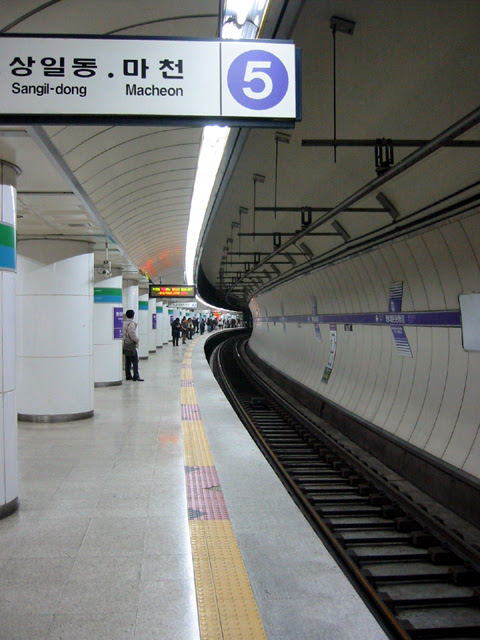
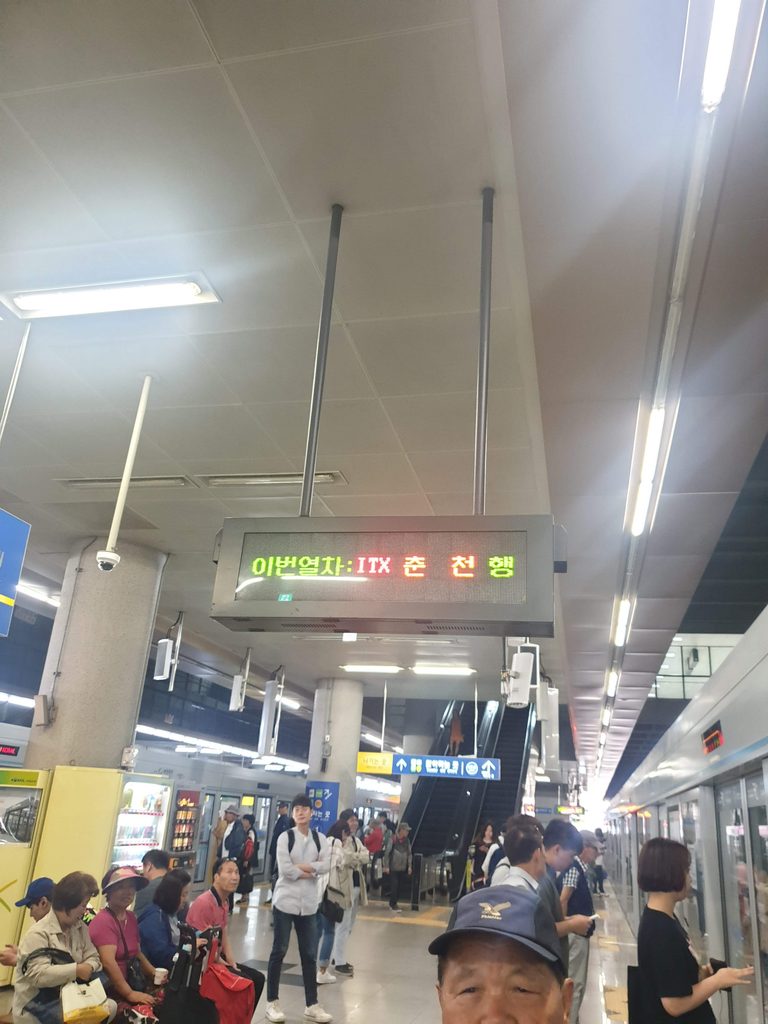
Stations use numbered exits, and signs are displayed in Korean and English. Different subway lines are also identified by colors, making it easier to recognize your route.
For a first-time visitor, the most confusing part is usually not actually riding the train. It’s understanding which line to take, where to transfer, and which station exit to use.
Once you get used to those three things, traveling around Seoul becomes much easier.
Seoul Subway Basics at a Glance
What you need to know
Quick answer
Subway fare
From ₩1,550 with a transportation card
Single-use ticket
From ₩1,650
Payment
T-money or other accepted transportation cards, or a single-use ticket
Signs
Korean and English
Lines
Color-coded and numbered
Transfers
Usually made inside the subway system
Best for tourists
T-money + a subway/navigation app
Operating hours
Approximately 5:30 AM to midnight, depending on the station
The current Seoul Metropolitan Government fare table lists the adult base fare at ₩1,550 with a card and ₩1,650 for a single-use ticket, effective June 28, 2025. Additional charges can apply depending on distance and certain routes.
Step 1: Get a Transportation Card
For most travelers, using a transportation card is easier than buying a ticket for every subway ride.
One common option is T-money, a rechargeable transportation card that can be used on Seoul’s public transportation system.
You can generally purchase and recharge a T-money card at convenience stores and subway-related locations.
Why Use T-money?
A transportation card is convenient because you simply tap it when entering and exiting the subway.
It can also be used for buses, and transportation-card users can receive transfer benefits when transferring between buses and subways under the applicable rules.
For a short Seoul trip, you don’t need to overthink it.
Get a transportation card, add some money, and use it throughout your trip.
Step 2: Plan Your Route Before Entering the Station
Before going into the subway, check your route.
This is one of the easiest ways to avoid confusion.
A route-planning app can show you:
Which subway line to take
Where to transfer
How many stops you need to travel
Which station to get off at
Estimated travel time
Which exit is closest to your destination
The Seoul Metropolitan Government also provides a Seoul Subway app designed to help international visitors with routes, directions inside stations, and nearby attractions.
My Tip: Check the Exit Before You Leave
This is especially important in Seoul.
A station may have many exits, and choosing the wrong one can add a surprisingly long walk to your journey.
If your destination is a hotel, restaurant, shopping area, or tourist attraction, check the recommended exit number before leaving the station.
Step 3: Find the Correct Subway Line
Seoul subway lines are identified by both numbers and colors.
For example, Line 2 is represented by a green color, while Line 3 is orange.
When you enter a station, look for signs showing:
Your line number
Your destination
Transfer lines
Exit numbers
You don’t necessarily need to memorize the subway map.
Instead, focus on your current station → your destination → your transfer station.
This makes the system much less intimidating.
Step 4: Tap Your Transportation Card at the Gate
Once you reach the subway gate, you’ll see a card reader.
Simply place your transportation card on the reader.
Wait for the gate to open and walk through.
When you arrive at your destination, you must tap your card again when exiting.
Don’t Forget to Tap Out
This is especially important when using a transportation card.
Your fare is calculated based on your journey, and transportation-card transfer benefits depend on correctly tapping your card.
If you are transferring between transportation modes, follow the instructions and tap your card when required.
Step 5: Follow the Signs to Your Platform
After passing through the gate, follow the signs for your subway line.
You’ll usually see signs showing:
Line number → Direction → Destination
The most important word to understand is the direction.
For example, you may see the name of a major station at the end of the line. This tells you which direction the train is traveling.
If you’re unsure, check your route on your phone before boarding.
A Simple Rule
Don’t just look for the line number.
Look for:
Line + Direction + Destination
This will help you avoid getting on a train going in the opposite direction.
Step 6: Get Off at the Correct Station
When your train approaches your destination, check the station name.
Station names are displayed in Korean and English, making it easier for international travelers to recognize their stop.
If you’re worried about missing your station, keep your route app open and check the upcoming stops.
Once you get off the train, follow the signs for your exit or transfer.
How Do Subway Transfers Work in Seoul?
Transfers are one of the things that can look complicated at first.
But they are usually straightforward.
When you need to change lines, follow the signs marked with the number and color of your next line.
In many cases, you do not need to leave the subway station to transfer.
You simply walk through the station following the transfer signs.
For example:
Line 2 → Transfer → Line 4 → Destination
You may have to walk quite a distance between platforms at some large stations.
Don’t be surprised if a transfer takes several minutes.
Give Yourself Extra Time
Seoul subway stations can be much larger than they look on a map.
Some transfers involve long underground corridors, stairs, escalators, or multiple levels.
If you’re catching a train or meeting someone at a specific time, don’t assume that a “5-minute transfer” means you’ll be standing next to the next platform immediately.
How Much Does the Seoul Subway Cost?
As of the current Seoul Metropolitan Government fare information, the adult base fare is:
Payment method
Adult base fare
Transportation card
₩1,550
Single-use ticket
₩1,650
Additional fares can apply based on distance and certain routes.
For most tourists making several subway trips per day, individual rides are still relatively inexpensive compared with taking taxis everywhere.
This is one reason the subway is such a useful option for exploring Seoul on a travel budget.
If you’re planning your overall Seoul budget, you can also read our guide:
For most first-time visitors, I recommend a rechargeable transportation card if you’re going to use public transportation several times.
Choose a Transportation Card If:
You’re staying in Seoul for several days
You’ll use the subway and buses
You don’t want to buy a ticket for every trip
You want a simpler experience
A Single-Use Ticket May Make Sense If:
You’re only taking the subway once or twice
You don’t want to purchase a transportation card
You prefer to pay for individual journeys
Single-use subway tickets are available from ticket machines in stations. The official Seoul travel guide explains that these machines provide foreign-language options, and a refundable deposit applies to single-use cards.
For a typical tourist trip, however, I find a transportation card more convenient.
How to Buy a Single-Use Subway Ticket
If you decide not to use T-money, buying a single-use ticket is fairly simple.
At the ticket machine:
Select the English language option.
Choose the single-use ticket option.
Select your destination.
Choose the number of passengers.
Pay the required fare and deposit.
Take your ticket.
Use the ticket at the subway gate.
Return the ticket at the destination station to receive the refundable deposit.
The Seoul Metropolitan Government currently states that a ₩500 deposit is refunded through the deposit refund machine after the journey.
What Are the Subway Signs Like?
One thing that makes Seoul relatively easy for international visitors is the multilingual signage.
Major subway signs include English alongside Korean, and stations use numbered exits.
You’ll commonly see signs for:
Subway lines
Transfer directions
Station names
Exit numbers
Nearby attractions
Facilities such as restrooms and elevators
You don’t need to know Korean to navigate the subway.
However, knowing a few basic Korean place names can still be helpful.
For example, your navigation app might display both the English and Korean names of a station. Being familiar with both can help you confirm that you’re looking at the right sign.
Which Subway Apps Should Tourists Use?
You don’t need to download ten different transportation apps.
One reliable route-planning app is usually enough.
The Seoul Metropolitan Government provides a subway app with route information, location-based recommendations, directions inside stations, and information about nearby tourist attractions.
You can also use other popular navigation apps that provide Seoul subway routes and transfer information.
My Recommendation
Before leaving your hotel each morning:
Enter your destination.
Check the subway line.
Check the transfer station.
Check the destination station.
Check the exit number.
Then save or remember the route.
This takes less than a minute and can save you a lot of confusion later.
7 Seoul Subway Tips for First-Time Visitors
1. Always Check the Exit Number
This is one of the most useful Seoul travel tips.
The subway station may get you to the right neighborhood, but the wrong exit can leave you facing a long walk.
Check the exit before you leave the station.
2. Don’t Panic If You See a Huge Subway Map
The map can look overwhelming.
You don’t need to understand the entire network.
Just identify:
Where you are → where you’re going → where you transfer.
That’s enough.
3. Watch the Direction
Make sure the train is traveling in the direction you need.
Check the final destination displayed on signs or your navigation app.
4. Allow Extra Time for Transfers
Large stations can involve considerable walking.
Don’t plan your itinerary with extremely tight transfer times.
5. Keep Your Transportation Card Separate
It’s much easier to tap a card that you can reach quickly.
You don’t want to hold up a line while searching through your wallet at every gate.
6. Avoid Rush Hour When Possible
The subway can become very crowded during weekday commuting hours.
If you’re traveling for sightseeing rather than work, shifting your schedule slightly can make the journey much more comfortable.
7. Don’t Forget Your Exit
Before leaving the train station, check the exit number again.
This small habit can save you from unnecessary walking.
What If You Get on the Wrong Train?
Don’t worry.
It happens.
If you realize you’re going in the wrong direction, simply get off at the next appropriate station and check your route again.
In many cases, you can change to the opposite direction without leaving the subway system.
The important thing is not to panic.
Seoul’s subway network is large, but it is also highly connected. One wrong train usually doesn’t ruin your day.
Is the Seoul Subway Safe for Tourists?
For normal sightseeing, the Seoul subway is a practical way to get around the city.
As with any crowded public transportation system, however, you should take normal precautions with your belongings, especially during busy periods.
Keep your phone, wallet, passport, and other valuables secure.
If you are carrying large luggage, also consider the station layout and whether your route involves many stairs or long transfers.
Can You Take Luggage on the Seoul Subway?
Yes, but the experience depends heavily on the size of your luggage and the time of day.
A small suitcase is generally much easier to manage than a large piece of luggage.
If you’re traveling from the airport to your hotel, consider whether a direct airport transportation option or taxi would be more convenient, especially if you have several large bags.
Once you’ve checked into your hotel, the subway becomes much easier for everyday sightseeing.
If you’re still choosing where to stay, our guide to Seoul neighborhoods can help:
If you’re feeling overwhelmed, remember this simple process:
1. Get a transportation card.
2. Enter your destination into a navigation app.
3. Check your line and direction.
4. Follow the signs.
5. Tap your card at the entrance.
6. Follow the transfer signs if necessary.
7. Get off at your destination.
8. Check your exit number.
That’s really all you need to know.
After your first few rides, the Seoul subway will probably feel much easier than it did when you first arrived.
Final Thoughts
The Seoul subway may look complicated when you first see the map, but you don’t need to understand the entire system to use it confidently.
For most visitors, the combination of a transportation card, a good navigation app, and a little preparation is enough.
The biggest tip I’d give a first-time visitor is simple:
Don’t just check which station you’re going to. Check the exit number too.
That one detail can make a surprisingly big difference to your day.
And once you get comfortable with the subway, you’ll be able to explore much more of Seoul without spending a large part of your travel budget on taxis.
What About You?
Are you planning to use the Seoul subway on your first trip to Korea, or does the subway map look a little intimidating?
If you’ve already used the Seoul subway, what’s the one tip you would give to a first-time visitor? Share it in the comments below.
Choosing where to stay in Seoul can have a bigger impact on your trip than choosing between two similar hotels.
Seoul is huge, and each neighborhood feels different. The best place to stay for nightlife may not be the best place for sightseeing. A neighborhood that looks close on a map can also take much longer to reach once you factor in subway transfers and walking.
So, where should you stay in Seoul?
For most first-time visitors, Myeongdong, Hongdae, and Jongno/Insadong are the easiest places to start. But the right neighborhood really depends on what you want to do.
Here’s how I’d choose.
Quick Answer: Where Should You Stay in Seoul?
Area
Best For
Price Level
Main Advantage
Main Drawback
Myeongdong
First-time visitors & shopping
$$–$$$
Convenient for classic sightseeing
Busy and touristy
Hongdae
Nightlife & younger travelers
$–$$
Great atmosphere and airport rail access
Can be noisy
Jongno / Insadong
History & traditional Seoul
$$
Close to palaces and historic areas
Quieter at night
Gangnam
Modern Seoul & shopping
$$–$$$
Great for southern Seoul
Farther from historic sights
Itaewon
International food & nightlife
$$–$$$
Diverse restaurants and bars
Less convenient for classic sightseeing
Seongsu
Cafés, fashion & trends
$$–$$$
Trendy, modern Seoul
Not ideal for first-time sightseeing
Jamsil
Families & Lotte World
$$–$$$
Excellent for family attractions
Farther from central Seoul
My simple recommendation:
First trip → Myeongdong
Nightlife & cafés → Hongdae
Palaces & traditional Seoul → Jongno / Insadong
Modern Seoul & shopping → Gangnam
International nightlife → Itaewon
Trendy cafés & fashion → Seongsu
Lotte World & families → Jamsil
There isn’t one universally “best” neighborhood. The best area is the one that makes your daily itinerary easier.
1. Myeongdong — Best Overall for First-Time Visitors
Best for: First-time visitors, shopping, sightseeing and convenience
If you’ve never been to Seoul before and don’t know where to start, Myeongdong is probably the safest choice.
Myeongdong is one of Seoul’s best-known shopping districts and is particularly popular with international visitors. The official Seoul tourism guide describes it as a major shopping destination with fashion stores, street stalls and Korean cosmetics shops.
You’ll also find plenty of:
Hotels
Restaurants
Cafés
Convenience stores
Korean skincare shops
Shopping
Public transportation
The biggest advantage is convenience.
From Myeongdong, you can relatively easily reach many of the places first-time visitors want to see, including the palaces, traditional neighborhoods, markets and N Seoul Tower.
Why stay in Myeongdong?
Pros
Excellent location for first-time visitors
Lots of hotels at different price points
Great shopping
Plenty of restaurants
Easy access to public transportation
Convenient for short trips
Cons
Very touristy
Crowded during busy periods
Some streets become quieter after shops close
Not the best choice if you want a quiet residential atmosphere
My take
If you have 3–5 days in Seoul and this is your first visit, Myeongdong is hard to beat for convenience.
You may find a more interesting neighborhood elsewhere, but Myeongdong makes the logistics of your first Seoul trip relatively simple.
Best for: ⭐⭐⭐⭐⭐ first-time visitors
2. Hongdae — Best for Nightlife, Cafés and Younger Travelers
Best for: Nightlife, cafés, music, shopping and younger travelers
Hongdae has a completely different personality from Myeongdong.
It’s energetic, youthful and busy, especially in the evening.
The area around Hongik University is known for its cafés, restaurants, shops, street performances and nightlife.
It’s also particularly convenient for travelers arriving from Incheon Airport because Hongik University Station connects to the Airport Railroad.
Why stay in Hongdae?
Pros
Excellent nightlife
Lots of cafés and restaurants
Younger, energetic atmosphere
Good choice for solo travelers
Convenient airport rail access
Plenty of budget and mid-range accommodation
Cons
Can be noisy at night
Less convenient for some traditional attractions
The area can feel extremely busy on weekends
My take
If your ideal Seoul evening involves Korean barbecue, cafés, drinks, live music and walking around busy streets, I’d choose Hongdae over Myeongdong.
It’s also a particularly good choice if you want to experience a more youthful side of Seoul.
Best for: ⭐⭐⭐⭐⭐ nightlife
3. Jongno & Insadong — Best for Traditional Seoul
Best for: Palaces, history, traditional architecture and culture
If your idea of Korea involves palaces, hanok houses, traditional tea houses and historic neighborhoods, look at Jongno or Insadong.
This is where I’d stay if I wanted to wake up and immediately feel like I was exploring historic Seoul.
You’ll be close to attractions such as:
Gyeongbokgung Palace
Changdeokgung Palace
Bukchon Hanok Village
Insadong
Gwanghwamun
Traditional markets
You can also walk between several attractions instead of taking the subway for every journey.
Why stay here?
Pros
Excellent for historic sightseeing
Traditional Korean atmosphere
Close to major palaces
Great location for walking
Lots of restaurants and cafés
Cons
Quieter nightlife
Some streets are very quiet at night
Certain areas have hills and narrow streets
Hotel choices can vary significantly by exact location
My take
For travelers who want to understand old Seoul as well as modern Seoul, Jongno is one of my favorite choices.
If you’re particularly interested in Korean history and culture, I would seriously consider staying here instead of Myeongdong.
Best for: ⭐⭐⭐⭐⭐ history & culture
4. Gangnam — Best for Modern Seoul, Shopping and Business
Best for: Modern Seoul, shopping, beauty, business and upscale hotels
Yes, that Gangnam.
Located south of the Han River, Gangnam feels very different from Jongno.
You’ll find:
Modern shopping
Large office districts
Upscale restaurants
Beauty clinics
Fashion
COEX
Apgujeong
Cheongdam
Gangnam makes the most sense when a significant part of your itinerary is in southern Seoul.
Why stay in Gangnam?
Pros
Modern Seoul experience
Excellent shopping
Lots of restaurants
Strong hotel selection
Convenient for southern Seoul
Good for business travelers
Cons
Farther from many historic attractions
Can be more expensive
Less traditional Korean atmosphere
My take
I wouldn’t automatically recommend Gangnam to someone visiting Seoul for the first time.
But if you’re interested in K-beauty, shopping, luxury, business or southern Seoul, Gangnam can be an excellent base.
Best for: ⭐⭐⭐⭐ modern Seoul
5. Itaewon — Best for International Food and Nightlife
Best for: International travelers, restaurants, bars and nightlife
Itaewon is one of Seoul’s most internationally oriented neighborhoods.
You’ll find restaurants serving food from around the world, bars, cafés and a diverse nightlife scene.
It’s a particularly good option if you don’t want your trip to revolve entirely around traditional tourist attractions.
Why stay in Itaewon?
Pros
International atmosphere
Excellent variety of restaurants
Strong nightlife
Lots of bars and cafés
Good choice for travelers who want something different
Cons
Not the most convenient base for classic sightseeing
Some streets are hilly
Can be busy at night
My take
Itaewon is a neighborhood I’d recommend because you specifically want Itaewon, rather than simply because you’re looking for the best general base in Seoul.
For a classic first trip, I’d choose Myeongdong, Hongdae or Jongno first.
Best for: ⭐⭐⭐⭐ nightlife & international food
6. Seongsu — Best for Trendy Cafés and Modern Seoul
Best for: Cafés, fashion, pop-ups and contemporary Seoul
If you’ve already seen the traditional side of Seoul and want to experience what’s happening right now, Seongsu is worth considering.
Seongsu has become particularly known for cafés, fashion, pop-up stores and converted industrial spaces.
It’s a great neighborhood for travelers who enjoy:
Specialty coffee
Fashion
Design
Pop-up stores
Photography
Trendy restaurants
Why stay in Seongsu?
Pros
Trendy atmosphere
Excellent cafés
Fashion and shopping
Great for exploring contemporary Seoul
Interesting for repeat visitors
Cons
Not the easiest base for classic first-time sightseeing
Farther from the main palace area
Neighborhood attractions can change quickly
My take
For a first trip of only three or four days, I’d probably visit Seongsu rather than stay there.
For a longer trip—or a second visit—it becomes much more interesting.
Best for: ⭐⭐⭐⭐ cafés & trends
7. Jamsil — Best for Families and Lotte World
Best for: Families, theme parks and southeastern Seoul
If Lotte World is one of the main reasons you’re coming to Seoul, Jamsil is an obvious choice.
Jamsil is also useful for travelers interested in the broader Songpa area.
Why stay in Jamsil?
Pros
Excellent for Lotte World
Good for families
Large shopping and entertainment complexes
Modern hotels
Easy access to southeastern Seoul
Cons
Far from many historic attractions
Less convenient if most of your itinerary is north of the Han River
My take
I wouldn’t choose Jamsil simply because it’s a popular Seoul neighborhood.
But if you’re traveling with children and planning a day or more around Lotte World, it can save you a lot of travel time.
Best for: ⭐⭐⭐⭐⭐ families
Which Seoul Neighborhood Is Best for You?
Still not sure?
Use this simple guide.
“It’s my first time in Seoul and I want everything to be easy.”
→ Myeongdong
“I want nightlife, cafés and a younger atmosphere.”
→ Hongdae
“I care most about palaces, history and traditional Korea.”
→ Jongno / Insadong
“I’m interested in shopping, beauty and modern Seoul.”
→ Gangnam
“I want international restaurants and nightlife.”
→ Itaewon
“I love cafés, fashion and trendy neighborhoods.”
→ Seongsu
“I’m traveling with kids and want to visit Lotte World.”
→ Jamsil
Myeongdong vs. Hongdae vs. Jongno
For many first-time visitors, the real decision comes down to these three.
Myeongdong
Hongdae
Jongno
First-time visitors
⭐⭐⭐⭐⭐
⭐⭐⭐⭐
⭐⭐⭐⭐
Nightlife
⭐⭐⭐
⭐⭐⭐⭐⭐
⭐⭐
Shopping
⭐⭐⭐⭐⭐
⭐⭐⭐⭐
⭐⭐⭐
Historic attractions
⭐⭐⭐⭐
⭐⭐
⭐⭐⭐⭐⭐
Cafés
⭐⭐⭐
⭐⭐⭐⭐⭐
⭐⭐⭐⭐
Airport access
⭐⭐⭐⭐
⭐⭐⭐⭐⭐
⭐⭐⭐
Quiet atmosphere
⭐⭐
⭐⭐
⭐⭐⭐⭐
Traditional Seoul
⭐⭐⭐
⭐⭐
⭐⭐⭐⭐⭐
My personal rule:
Choose Myeongdong if convenience is your priority.
Choose Hongdae if your evenings matter most.
Choose Jongno if experiencing historic Seoul matters most.
How Many Nights Should You Stay in One Area?
For a 3–5 day Seoul trip, I’d stay in one neighborhood.
Moving hotels may sound exciting, but it often isn’t worth the hassle.
Every hotel change means:
Packing
Checking out
Carrying luggage
Waiting for check-in
Finding the new hotel
Losing sightseeing time
Seoul’s subway system makes it easier to stay in one good location and explore other neighborhoods during the day.
For a 6–7 day trip, splitting your stay can make sense if your itinerary is heavily divided between northern and southern Seoul.
But even then, I wouldn’t move unless there’s a good reason.
One good base is usually better than two mediocre ones.
One Important Tip Before Booking Your Hotel
Don’t choose a hotel based only on the neighborhood name.
Look at the exact location on the map.
Two hotels both advertised as being “in Myeongdong” can have very different experiences.
Check:
Walking distance to the nearest subway station
Which subway lines are nearby
Distance from the main streets
Restaurants and convenience stores nearby
Whether the route involves hills
How you’ll get there with luggage
Recent guest reviews
The subway station matters more than you think.
A hotel that’s technically in a great neighborhood but requires a 12-minute uphill walk every morning may be less convenient than a hotel in a slightly less famous area located two minutes from a subway entrance.
Should You Stay Near Seoul Station?
Seoul Station can be a good choice if transportation is your priority.
It’s particularly useful if you’re planning:
KTX trips
Day trips outside Seoul
An early departure
An arrival with heavy luggage
But I wouldn’t automatically choose Seoul Station for an entire vacation.
For most first-time visitors, Myeongdong, Hongdae or Jongno may offer a more enjoyable neighborhood experience.
My Final Recommendations
If I were helping a friend choose a hotel for their first trip to Seoul, I’d ask one question:
“What do you want your evenings to feel like?”
If they said:
“I want convenience and classic sightseeing.”
→ Myeongdong
“I want restaurants, cafés and nightlife.”
→ Hongdae
“I want palaces, traditional streets and Korean history.”
→ Jongno / Insadong
“I want shopping, beauty and modern Seoul.”
→ Gangnam
“I want a more international nightlife scene.”
→ Itaewon
“I want cafés, fashion and what’s trendy right now.”
→ Seongsu
“I’m traveling with kids and going to Lotte World.”
→ Jamsil
There is no single best neighborhood in Seoul.
The best place to stay is the neighborhood that makes your particular itinerary easier.
And for a first-time visitor who simply wants the safest all-around choice, I’d start with Myeongdong.
Planning Your Seoul Trip?
Start with these guides:
Is Seoul Expensive? A Realistic Seoul Travel Budget for 2026
Learn how much you should budget for hotels, food, transportation and activities.
How to Use the Seoul Subway: A First-Time Visitor’s Guide
Everything you need to know about getting around Seoul.
How Much Does Food Cost in Seoul?
A practical guide to restaurant, café and convenience-store prices.
Do You Need Cash in Korea?
Cards, ATMs, transportation cards and everyday payments explained.
More practical Korea travel guides are coming soon.
Planning a trip to Seoul and wondering how much money you’ll actually need?
The good news is that Seoul can be surprisingly affordable for a major world city. Public transportation is inexpensive, many attractions are free or low-cost, and you can find everything from affordable local restaurants to high-end dining.
But Seoul can also become expensive quickly.
A central hotel, daily café visits, taxis, Korean BBQ, shopping and nightlife can add up much faster than you might expect.
So, is Seoul expensive?
The short answer is: it depends on how you travel.
For planning purposes, a budget traveler can aim for roughly ₩80,000–₩120,000 per day, while a comfortable mid-range traveler may spend around ₩180,000–₩300,000 per day, including accommodation but excluding international airfare.
Your actual spending will depend mostly on where you stay, what you eat, how often you use taxis, and how much you shop.
Seoul Travel Budget at a Glance
Here’s a simple starting point for planning your trip.
Upscale hotel, nicer restaurants, taxis and paid experiences
*Per person. International flights and major shopping are not included. These are planning ranges rather than fixed prices.
Recent travel-cost estimates for Seoul also put typical visitor spending in a similar general range, although the exact figure varies significantly depending on accommodation and travel style.
The biggest factor in your Seoul budget is usually your hotel.
Food and transportation can be surprisingly manageable. Accommodation, shopping and premium experiences are where your spending can change dramatically.
Is Seoul Expensive Compared With Other Major Cities?
If you’re coming from New York, London, Paris or other expensive global cities, some parts of Seoul may feel quite affordable.
Public transportation is one example.
The adult base subway fare in Seoul is currently ₩1,550 when using a transportation card, while a single-use ticket costs ₩1,650. Additional fares can apply depending on distance.
Attractions can also be inexpensive.
For example, admission to Gyeongbokgung Palace is currently ₩3,000 for foreign adults.
And some of the best Seoul experiences cost nothing.
You can walk along the Han River, explore traditional neighborhoods, browse markets, visit public parks and wander around areas such as Hongdae without paying an admission fee.
On the other hand, Seoul has plenty of expensive options.
Luxury hotels, fine dining, designer shopping, beauty treatments and nightlife can quickly push your daily spending much higher.
So rather than asking whether Seoul is “cheap” or “expensive,” it’s more useful to ask:
What kind of trip are you planning?
How Much Does Accommodation Cost in Seoul?
Accommodation is usually the biggest variable in your Seoul travel budget.
A solo traveler staying in a hostel can spend much less than a couple booking a private room at a four-star hotel.
As a general planning range:
Budget accommodation
₩25,000–₩60,000 per night
This may get you a hostel dorm bed, guesthouse or basic accommodation, depending on the neighborhood and travel season.
Mid-range accommodation
₩90,000–₩180,000 per night
This is a reasonable range to consider when looking for a comfortable private room, although prices can vary considerably.
Upscale accommodation
₩250,000+ per night
Four- and five-star hotels in popular central neighborhoods can easily cost several hundred thousand won per night.
Hotel prices fluctuate significantly depending on the season, day of the week, location and how far in advance you book. Current traveler-spending data also shows substantial variation in Seoul hotel prices.
Do you need to stay in Myeongdong?
Not necessarily.
Myeongdong is extremely convenient for first-time visitors, but it isn’t the only good option.
Depending on your itinerary, you might also consider:
Hongdae
Euljiro
Jongno
Insadong
Gangnam
Seongsu
Itaewon
When choosing a hotel, I’d prioritize easy access to a subway station over simply choosing the most famous neighborhood.
A hotel that’s ₩20,000 cheaper but requires a 15-minute walk to the subway every time you leave may not actually save you much money—or energy.
Coming soon: Where to Stay in Seoul: 7 Best Areas for First-Time Visitors
How Much Does Food Cost in Seoul?
Food is one of the best things about visiting Seoul because you can eat at almost any budget.
A simple local meal can be relatively inexpensive, while Korean BBQ, seafood, cocktails and trendy restaurants can be much more expensive.
Here are useful planning ranges:
Food or Drink
Typical Planning Range
Convenience-store breakfast
₩4,000–₩8,000
Gimbap / simple meal
₩5,000–₩10,000
Local restaurant meal
₩10,000–₩18,000
Korean BBQ
₩20,000–₩40,000+ per person
Café drink
₩4,500–₩8,000
Market snack
₩3,000–₩8,000
These are approximate ranges rather than official fixed prices. Current 2026 travel guides show similar ranges for common Seoul meals.
Budget food
If you’re careful, ₩25,000–₩40,000 per day can cover food for a budget traveler.
You might have:
Convenience-store breakfast
Gimbap or noodles for lunch
A simple Korean restaurant for dinner
One snack or drink
Comfortable food budget
For a more relaxed trip, ₩50,000–₩90,000 per day gives you much more flexibility.
You can mix casual restaurants, cafés, desserts and the occasional Korean BBQ meal.
The café trap
Here’s something first-time visitors sometimes underestimate.
A ₩6,000 coffee doesn’t feel particularly expensive.
But if you have three coffees a day for a seven-day trip:
₩6,000 × 3 × 7 = ₩126,000
That’s why your daily spending can creep up without any single purchase feeling expensive.
How Much Does Transportation Cost in Seoul?
Transportation is one of Seoul’s biggest advantages for travelers.
The subway is extensive, and most major tourist areas are connected by public transportation.
The current adult subway base fare is ₩1,550 with a transportation card. A single-use ticket is ₩1,650.
For a typical tourist day, you might spend approximately:
₩6,000–₩10,000 on local transportation
depending on how much you move around.
Subway vs. Taxi
If you’re trying to save money, use the subway and buses for most trips.
Taxis are useful when:
You’re traveling late at night
You’re carrying luggage
You’re traveling with several people
You’re going somewhere inconvenient by subway
You’ve already walked 20,000 steps and simply want to get back to your hotel
A taxi is not necessarily expensive for a short trip, but using one several times every day can noticeably increase your budget.
Coming soon: How to Use the Seoul Subway: A First-Time Visitor’s Guide
How Much Do Seoul Attractions Cost?
This is another area where Seoul can be surprisingly affordable.
Gyeongbokgung Palace, one of Seoul’s most famous attractions, currently charges ₩3,000 for foreign adults.
And many popular experiences are free.
You can:
Walk along the Han River
Explore Bukchon and nearby traditional neighborhoods
Wander around Insadong
Explore Hongdae
Visit public parks
Explore traditional markets
Walk around Seongsu
Enjoy Seoul’s many viewpoints
A reasonable sightseeing budget could therefore range from:
₩0–₩30,000+ per day
depending on how many paid attractions and experiences you choose.
The great thing about Seoul is that you don’t need to spend money constantly to have an interesting day.
Do You Need Cash in Seoul?
You don’t need to carry your entire travel budget in cash.
Cards are widely used in Seoul, but having some Korean won available is still a good idea.
I’d recommend:
Credit/debit card for most purchases + some Korean won as a backup.
Cash can be useful for small purchases, certain market stalls and transportation-related situations.
If you’re using a physical transportation card such as T-money, you’ll also want to understand how recharging works before relying on it for your entire trip.
Coming soon: Do You Need Cash in Korea? Cards, ATMs & T-Money Explained
How Much Money Do You Need for 3 Days in Seoul?
Let’s put everything together.
Budget traveler
Plan approximately:
₩240,000–₩360,000 for 3 days
Mid-range traveler
Plan approximately:
₩540,000–₩900,000 for 3 days
These are broad planning estimates and can vary substantially depending on your accommodation.
If two people share a hotel room, the accommodation cost per person can be significantly lower.
If you’re traveling alone and booking a private room, your per-person cost will usually be higher.
How Much Money Do You Need for 7 Days in Seoul?
For a one-week trip:
Budget traveler
₩560,000–₩840,000
Mid-range traveler
₩1,260,000–₩2,100,000
These figures are intended for planning your time in Seoul and do not include international airfare or major shopping.
If shopping is an important part of your Korea trip, I’d recommend creating a separate shopping budget rather than trying to include it in your daily travel budget.
What Does a Comfortable Day in Seoul Look Like?
Here’s an example of what a comfortable mid-range day could look like.